Detention Locking Systems & Controls · Since 1945
Detention Locking Systems & Controls · Since 1945
Repair Service
Request repair support for a planned visit. If the problem threatens operations, security, or staff safety, call 256-353-7161 and ask for Service and Parts.
Willo's current service offering includes Standard Repair and Emergency Repair performed by technicians specializing in detention equipment.
Overview
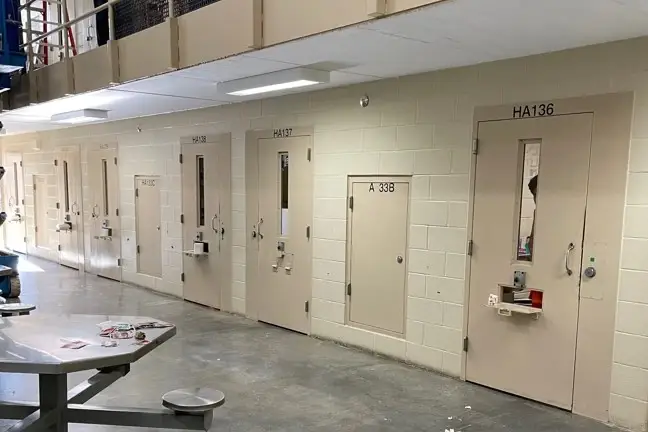
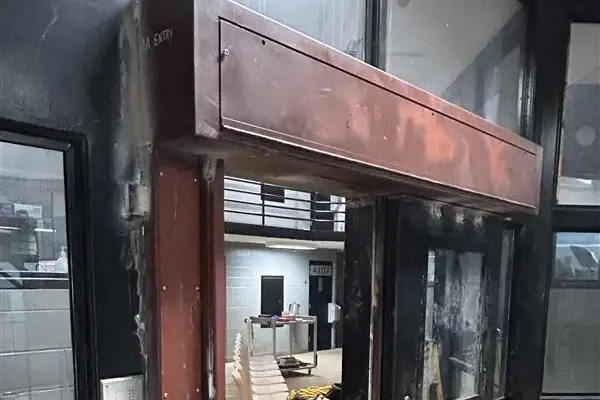
Correctional facility equipment repair starts with understanding what your staff is seeing. A door that operates inconsistently, a device needing repeated adjustment, or a control panel with unreliable indication can make routine work harder. Willo provides on-site diagnosis and repair for detention equipment, including systems from other manufacturers. We work with your team to evaluate the problem and identify a practical next step.
On-site repairs
How a repair visit works
01
Facility name, equipment type and a brief description. Manufacturer, part numbers and photos help if you have them.
02
We discuss access requirements, scheduling needs and operational concerns in your active facility.
03
Cleaning, lubrication, adjustment, component replacement and repair appropriate to the system.
04
Preventive maintenance and staff training to reduce future problems.
A repair begins with the symptoms and the equipment involved. Tell us what the door does, when the problem occurs, and whether it affects one opening or several. The same visible symptom can arise from different mechanical or electrical conditions. Staff observations help focus the evaluation without requiring your team to establish the cause first.
Willo reviews the locking equipment and the related components appropriate to the issue. Depending on the system, corrective work may involve adjustment, component replacement, or other repairs. The purpose is to address the identified condition and help your facility understand what was found. Work beyond the agreed scope needs its own review.
Swinging and sliding systems place different demands on their components. A swinging door concern may involve the lock, surrounding hardware, or alignment. A sliding door concern may involve the drive, locking parts, track, or door movement. Describe the whole operating problem so the inspection can account for the installation.
Willo supports its own locking equipment and a range of other manufacturers' systems. Identification records, manuals, and prior repair notes can help establish the equipment under review. If a device is obsolete or parts are difficult to obtain, we can discuss replacement parts assistance and the alternatives that warrant further evaluation.
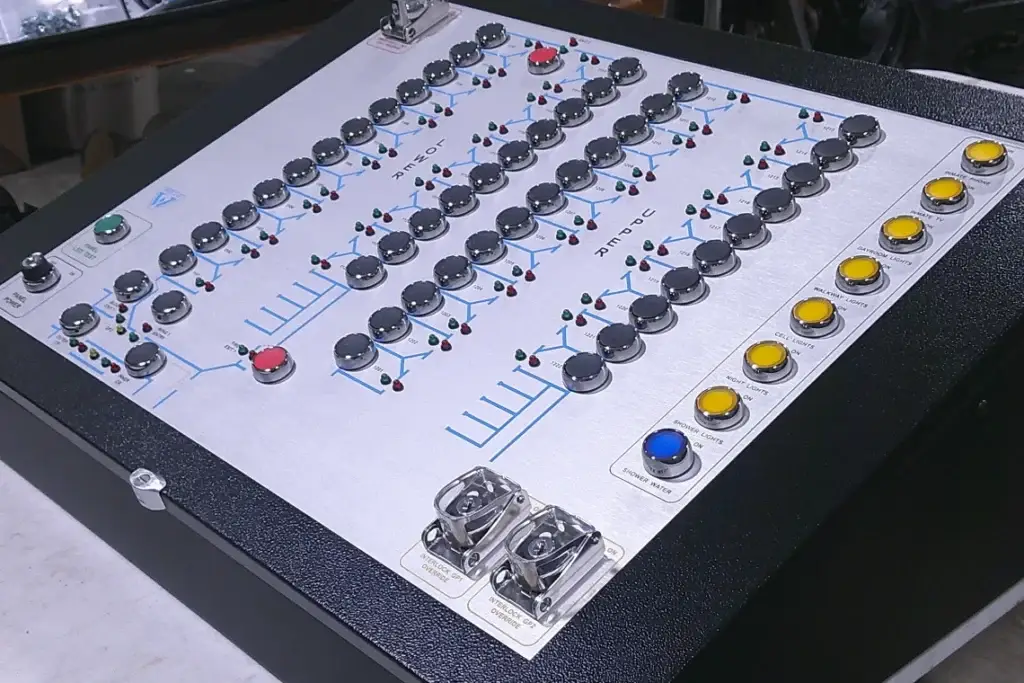
Mechanical equipment and controls operate together. A door that does not respond as expected may need electrical diagnosis as well as inspection of the device. Unreliable status information also deserves attention because staff depend on the information presented at the control point.
Explain the command given, what the equipment actually does, and what the panel indicates. Existing drawings or equipment documentation may help the service team understand the arrangement. Where the issue points toward a broader controls project, security electronics information provides a starting point for discussing replacement or modification. Repair recommendations should follow the identified condition rather than assumptions about the entire system.
Standard Repair provides scheduled support for issues that can be coordinated through a planned visit. It can suit a list of accumulated repairs, recurring problems, or work arranged alongside other maintenance. Discuss the affected equipment and the operating constraints that need to be considered before the visit is planned.
Your facility's access procedures and staff availability matter to the scope. Identify a contact who can explain the work and coordinate the areas involved. Tell us about other planned activity that could affect access. Clear preparation helps the service discussion address practical requirements alongside the technical problem.
Emergency Repair addresses urgent failures that threaten operations, security, or staff safety. Call the service team to discuss the situation and arrange assistance for your facility.
Explain which equipment is affected and how the problem is disrupting operations. The call helps the team review the urgency and the information needed to coordinate assistance. A web form is useful for routine inquiries, but an urgent concern should be communicated directly by phone. Your facility remains responsible for its immediate operating and security procedures.
Repairing a component can be appropriate when the surrounding equipment remains serviceable. Repeated failures, unsupported components, or broader condition concerns may justify a more extensive review. Willo can discuss those findings without assuming that every problem requires complete replacement.
For sliding openings, retrofit sliding devices may be one option to evaluate. For a wider project, review renovation and retrofit services. When concerns extend across multiple systems, a facility assessment can help establish priorities. The decision should reflect condition, required function, and a scope your facility can assess.
A completed repair should be considered alongside the care the equipment needs afterward. Preventive maintenance can address recurring inspection and adjustment needs. Maintenance training helps staff understand routine procedures, recognize changes, and know when to seek specialist support.
Keep service findings and equipment identification available for future work. If the concern returns, that history gives the next discussion a better starting point. Willo can help your team consider the immediate repair and the follow-up support needed to manage the installation over time.
Any manufacturer
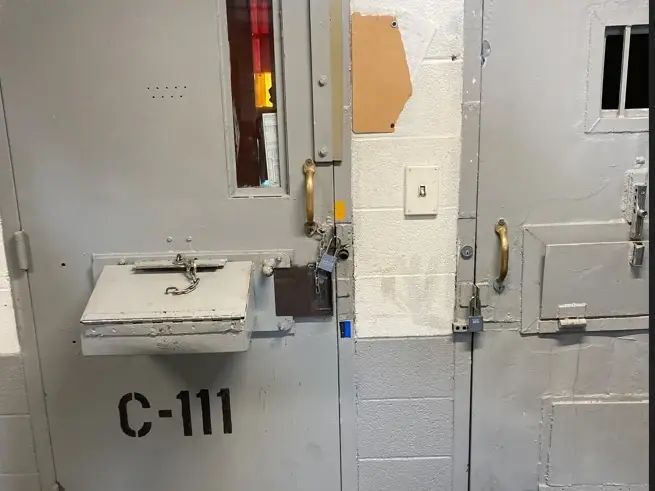
Willo repairs locking equipment from other manufacturers as well as our own. A problem with one component does not automatically mean the entire installation needs to be replaced.
When the original part is no longer readily available, our team can help locate hard-to-find components, explore alternatives, or evaluate whether a replacement component can be fabricated. Availability and suitability depend on the equipment.
Service & parts
Service
Inspection, cleaning, lubrication and adjustment on a schedule that fits your facility.
Learn more →
Service
A closer review of existing conditions before you plan repairs or upgrades.
Learn more →
Service
Help your maintenance staff recognize signs that need attention.
Learn more →
Parts
Components and keys for existing equipment.
Learn more →
Service & parts
Request repair service with a description of the equipment and the problem. For an urgent threat to operations, security, or staff safety, call 256-353-7161 to discuss priority assistance.