Detention Locking Systems & Controls · Since 1945
Detention Locking Systems & Controls · Since 1945
Service & Parts
Tell us what needs attention. For an urgent door security or operational problem, call 256-353-7161 and ask for Service and Parts.
Willo's service materials document support for detention equipment from multiple manufacturers, alongside its own locking systems.
Overview
Detention equipment maintenance should help your team address the equipment problems in front of it and plan the care that follows. Willo supports detention doors, locking devices, controls, and related equipment through maintenance, repairs, assessments, training, and parts assistance. Whether you have a specific malfunction or need a broader service plan, begin with the equipment and the conditions your staff is experiencing.
Services
Start with the equipment and the help your team needs.

Service
Catch developing issues before they fail.
Service
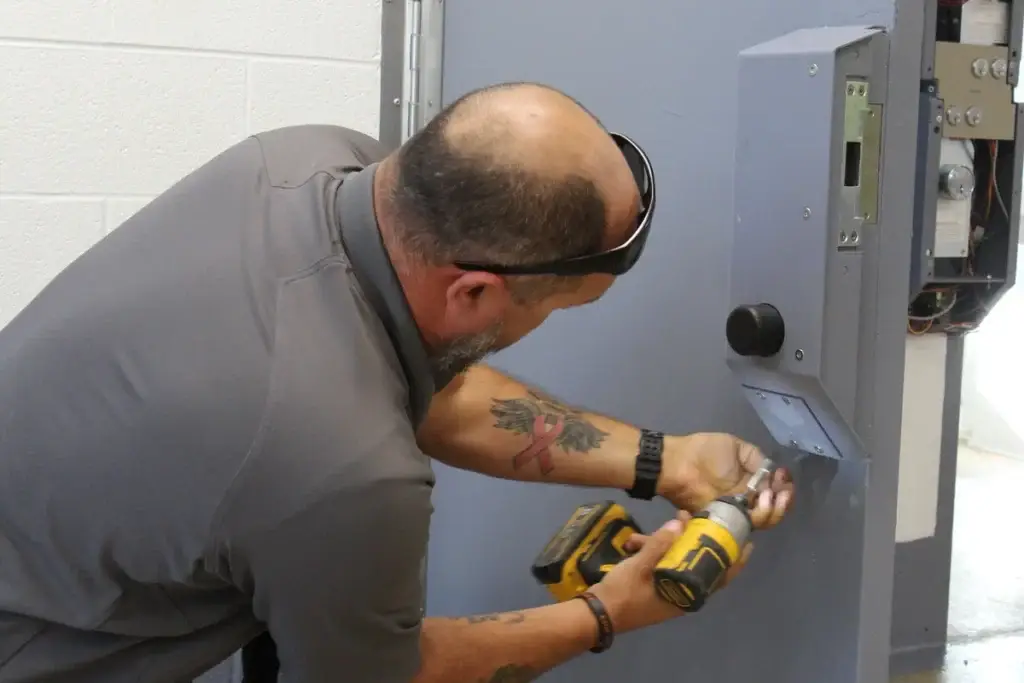
Scheduled and emergency repairs.

Service
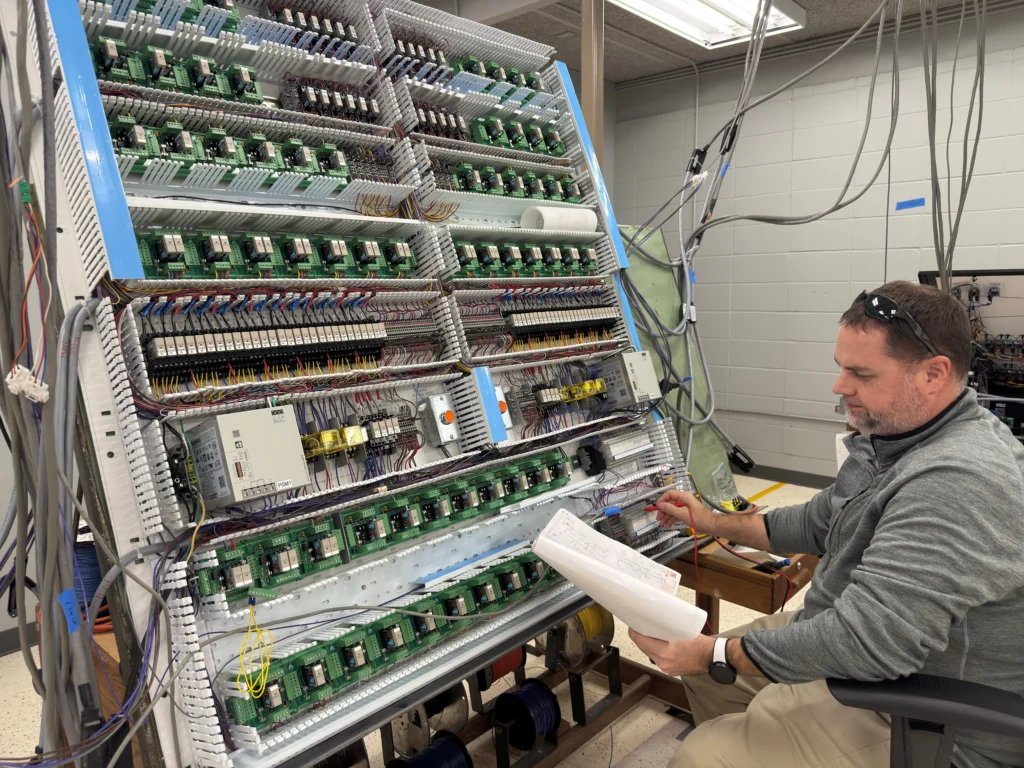
On-site evaluation of equipment that is not performing.
Service
Hands-on instruction for your maintenance staff.
Parts
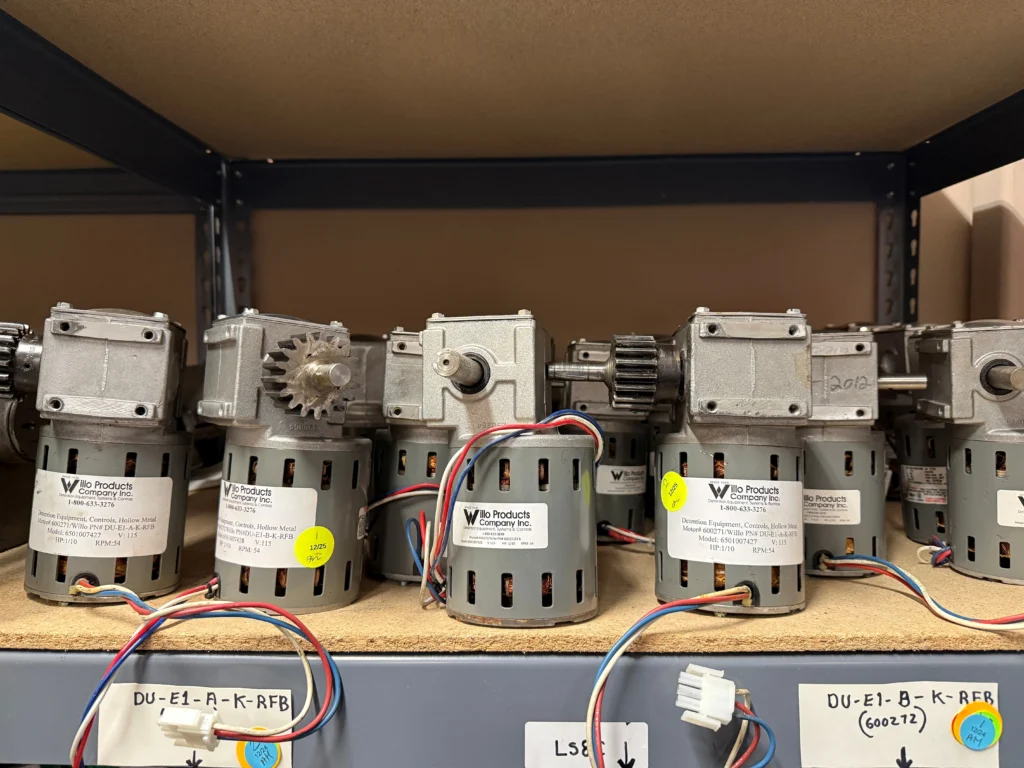
Current, retrofit and hard-to-find parts.
Coverage
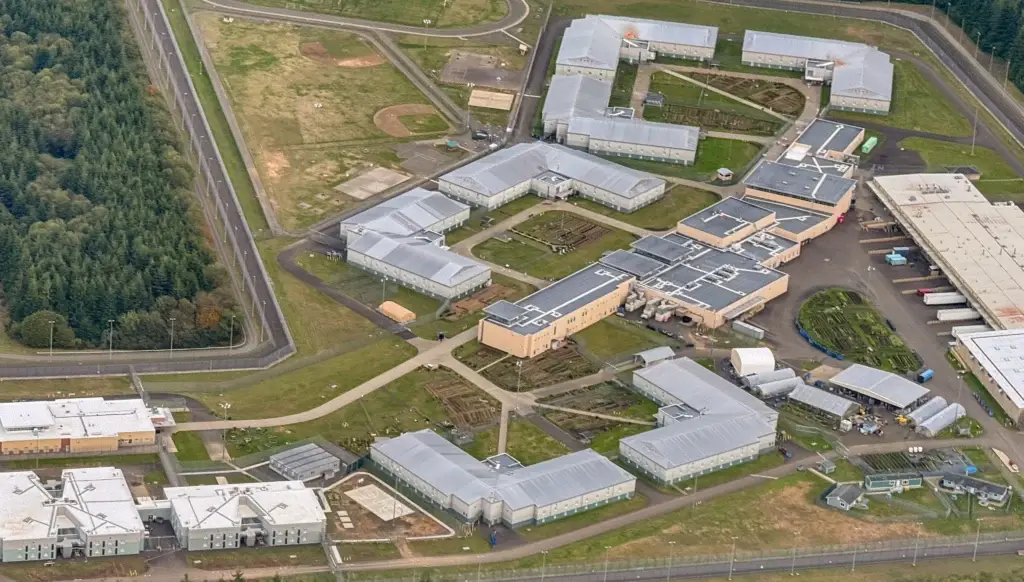
Coverage that keeps systems running.
Different requests need different kinds of attention. A malfunctioning opening may require diagnosis and repair. A group of aging devices may need a condition assessment before the facility commits to a larger project. Recurring care and staff training address other needs. Explaining the problem helps us discuss the appropriate starting point.
You can contact us before you know the exact service scope. Include the manufacturer and model if available, the general extent of the affected equipment, and whether the concern is urgent or recurring. Staff observations are useful even when the cause is uncertain. The goal of the first discussion is to identify what needs further evaluation.
Our preventive maintenance services support the ongoing care of detention equipment. Work can include inspection, cleaning, lubrication, adjustment, and identification of worn components. The service arrangement should reflect the equipment, its condition, and the facility's operating needs.
Discuss how specialist visits will work alongside your in-house maintenance program. Some facilities need help with accumulated work; others want a recurring schedule for defined systems. Agreeing on the equipment covered and the responsibilities between visits makes the arrangement more useful. Documentation of the work also gives staff a reference when the same opening needs attention later.
Willo provides repair service for detention locking systems, including equipment from other manufacturers where service can be supported. The review considers the mechanical equipment and associated controls. Difficult movement, inconsistent locking, or unreliable indication may need different corrective work even when staff experience them as one door problem.
Standard Repair is coordinated for non-urgent work. Emergency Repair provides a priority path when equipment problems threaten operations, security, or staff safety. If an opening cannot secure or the issue needs immediate attention, call rather than relying only on a web form. The service team can discuss the situation and the response arrangements relevant to your facility.
A facility assessment gives administrators and maintenance leaders a more organized view of equipment condition. It can be useful when repair concerns have accumulated, records are incomplete, or a capital improvement is being considered. The assessment focuses on findings that can inform maintenance, repair, and replacement decisions.
Bring the history your team already has. Repeated work orders, equipment identification, and staff descriptions can help focus the evaluation. The extent of the assessment should be established before the visit so your team understands which systems will be reviewed and what information it needs for the next decision.
Our detention equipment training focuses on practical operation, routine care, and basic troubleshooting. System-specific instruction gives staff an opportunity to connect the equipment they maintain with the procedures and records they use. Training can also help identify when a problem requires specialist assistance.
Tell us who will attend and which systems create the most questions. A team onboarding new staff may need a different emphasis from experienced technicians dealing with repeat faults. Discuss the equipment, learning objectives, and facility access arrangements so the proposed training addresses a real gap in your team's work.
When your team needs a component, start with replacement parts support. Equipment identification and the part number from the applicable manual help narrow the request. If the part is discontinued or difficult to find, Willo can evaluate sourcing, fabrication, or an alternative where technically appropriate.
Key inquiries also belong on the service and parts path. Describe the key type and equipment involved so the request can be reviewed. Availability, suitability, and delivery depend on the specific item and must be confirmed. Identifying the part correctly is the first step toward a useful quotation and a repair your team can plan.
Newly installed locking equipment needs care after project closeout. Our warranty and maintenance agreements distinguish scheduled maintenance, optional warranty extension, and support after warranty coverage ends. These offerings have different functions, eligibility conditions, and terms.
Discuss the equipment's project history and the maintenance responsibilities assigned to your staff. If you are reporting a possible warranty issue, have purchase information, the delivery or acceptance record, and a clear description of the concern available. The applicable warranty and agreement documents determine coverage; a general service request does not establish that a repair is covered.
Provide a facility contact who can describe the problem and coordinate access. Explain what the equipment does during normal use, when the problem occurs, and what has already been tried under the applicable maintenance instructions. For planned work, describe the systems involved and the decision or project your team is preparing for.
Willo can then discuss the service path and the information needed to define it. Your team gains a clearer basis for deciding what to address now and what to plan next.
Case studies
How facilities solved compromised locks and failing doors with Willo.
Read case studies →
Project type
Upgrade the doors and controls you already have.
Explore renovation & retrofit →
Architects & specifiers
Data sheets, guide specs and CAD details for your project.
Get spec support →
Service & parts
Request service and parts support for your facility. Tell us about the equipment and the help you need, or call 256-353-7161 for an urgent operational concern.