Detention Locking Systems & Controls · Since 1945
Detention Locking Systems & Controls · Since 1945
Sliding door devices · Rack and pinion
Evaluating sliding door locking devices for an upcoming project? Request E1 product documentation to support your design and specification process.
Door type
Fully Driven Sliding Detention Doors
Mounting
Transom-Mounted
Drive Mechanism
Motorized Rack-and-Pinion
Cycle life
Designed to meet 500,000 cycles
Overview
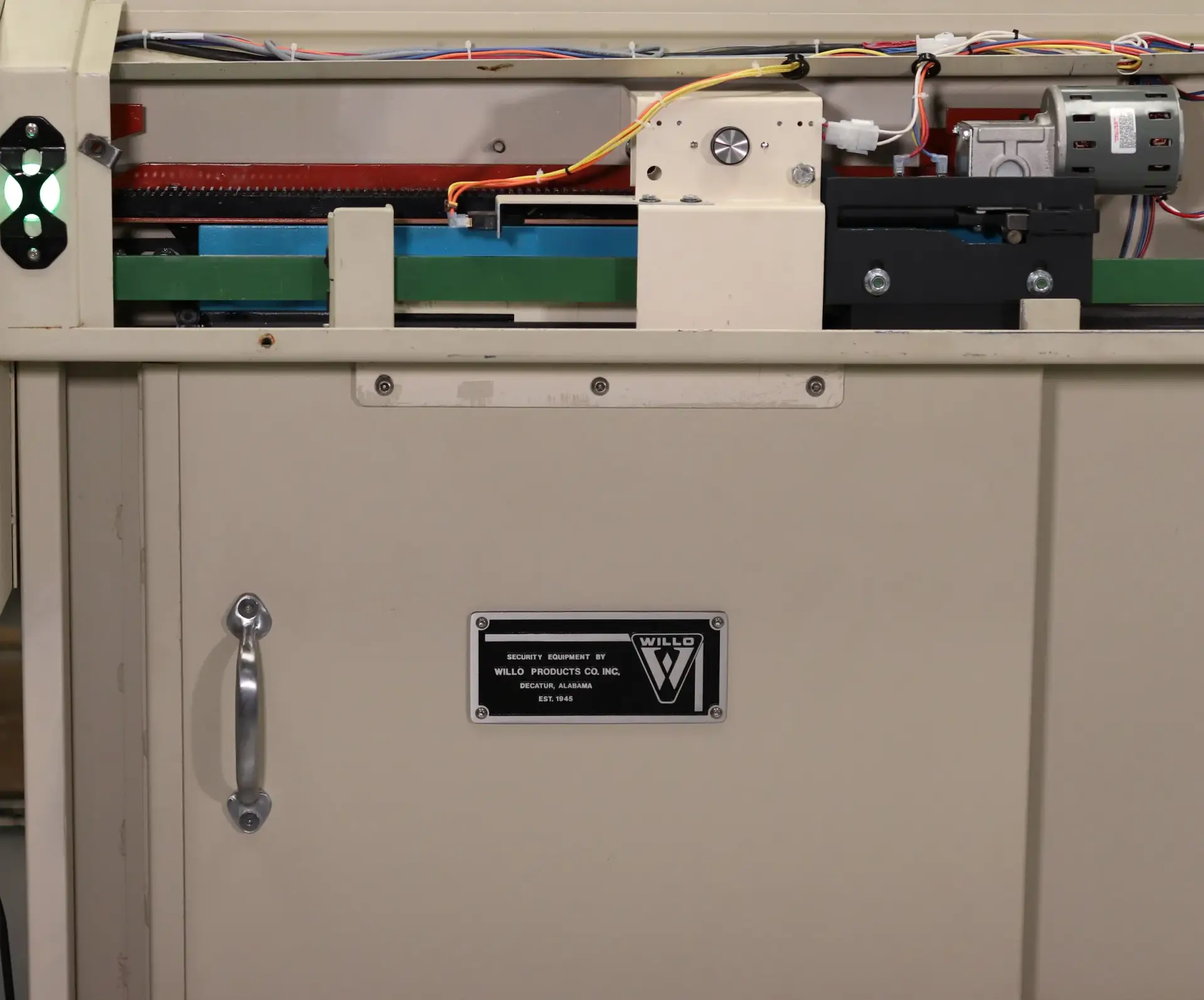
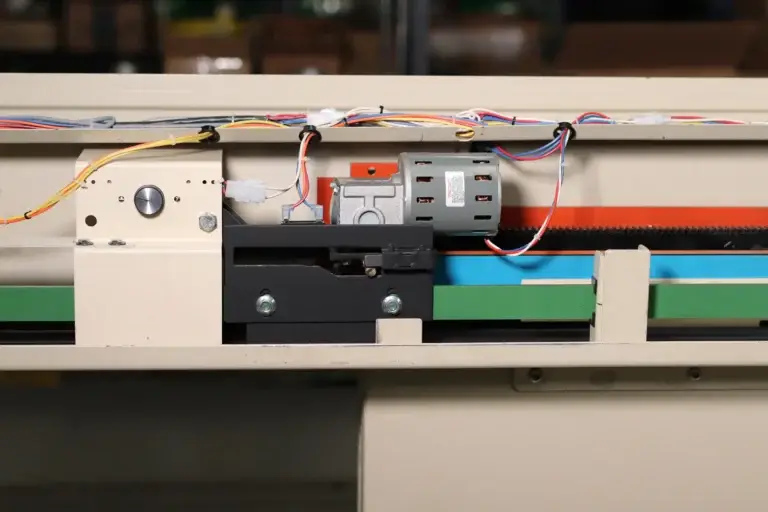
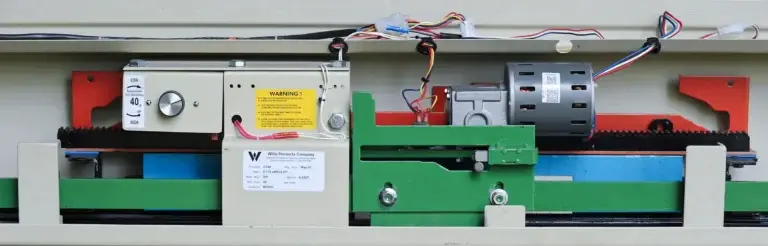
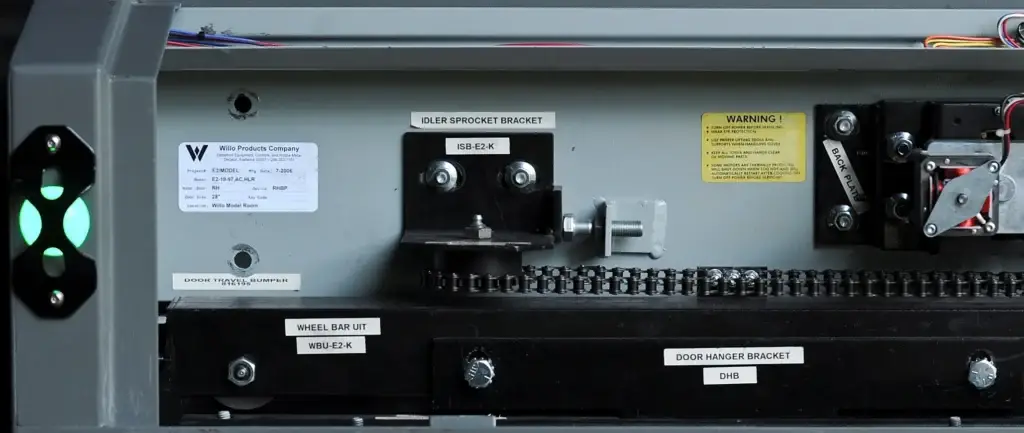
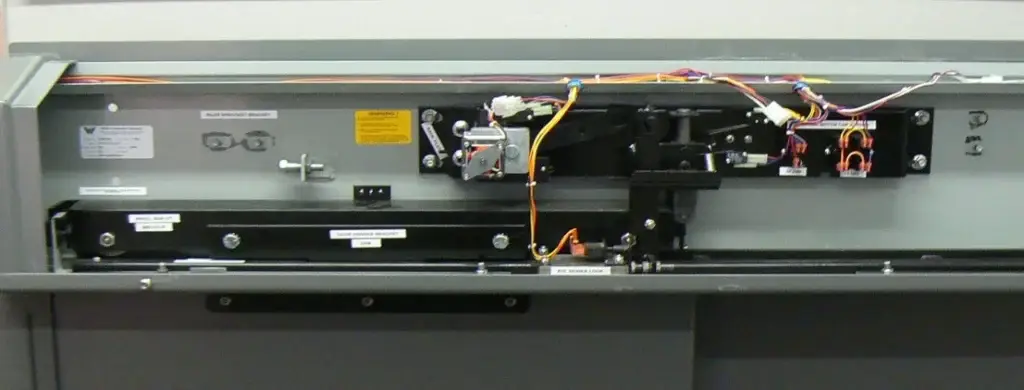
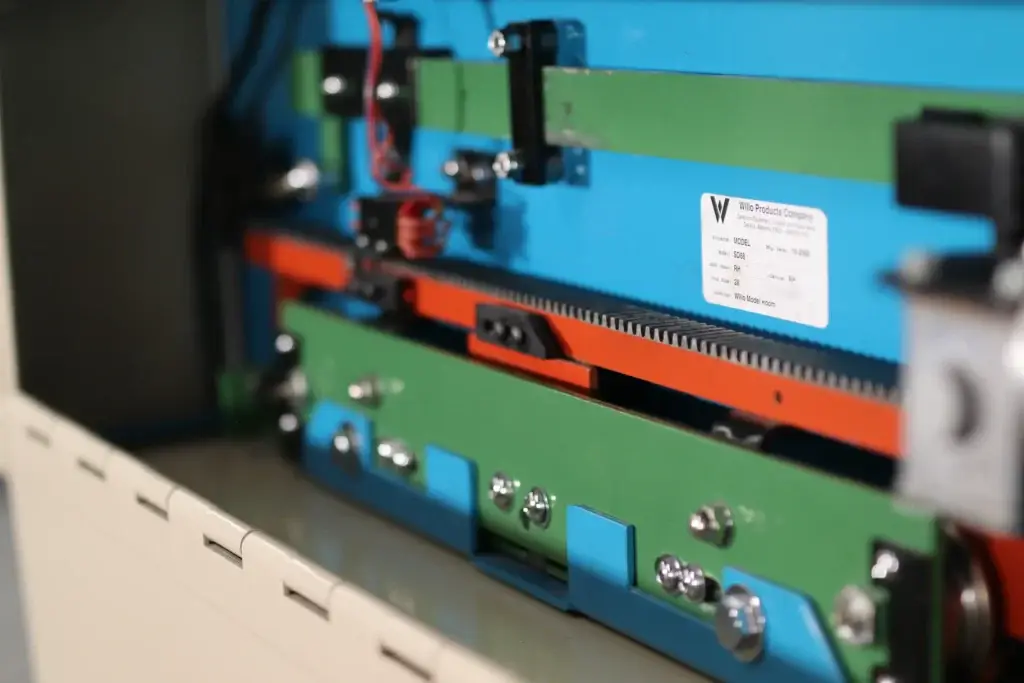
The Willo E1 is a fully driven, rack-and-pinion detention sliding door locking device engineered for reliable operation in demanding correctional environments. Designed with a four-point locking mechanism, heavy-duty internal components, and electrical operation with manual release capabilities, the E1 provides secure door control for detention facilities. Whether specified for new construction or incorporated into an existing facility renovation, the E1 offers architects and engineers a durable locking device designed to meet the operational demands of correctional facilities.
What's inside
Security
Lock bar is driven into position and deadlocked to resist tampering.
Operation
Motorized mechanism controls door movement and locking.
Manual Override
Support individual door release and remote gang release.
Durability
Designed to meet 500,000 cycles.
Retrofit
Designed for retrofit applications, with opportunities to reuse existing components when feasible.
Option
Optional red or green LED provides visible door status indication.
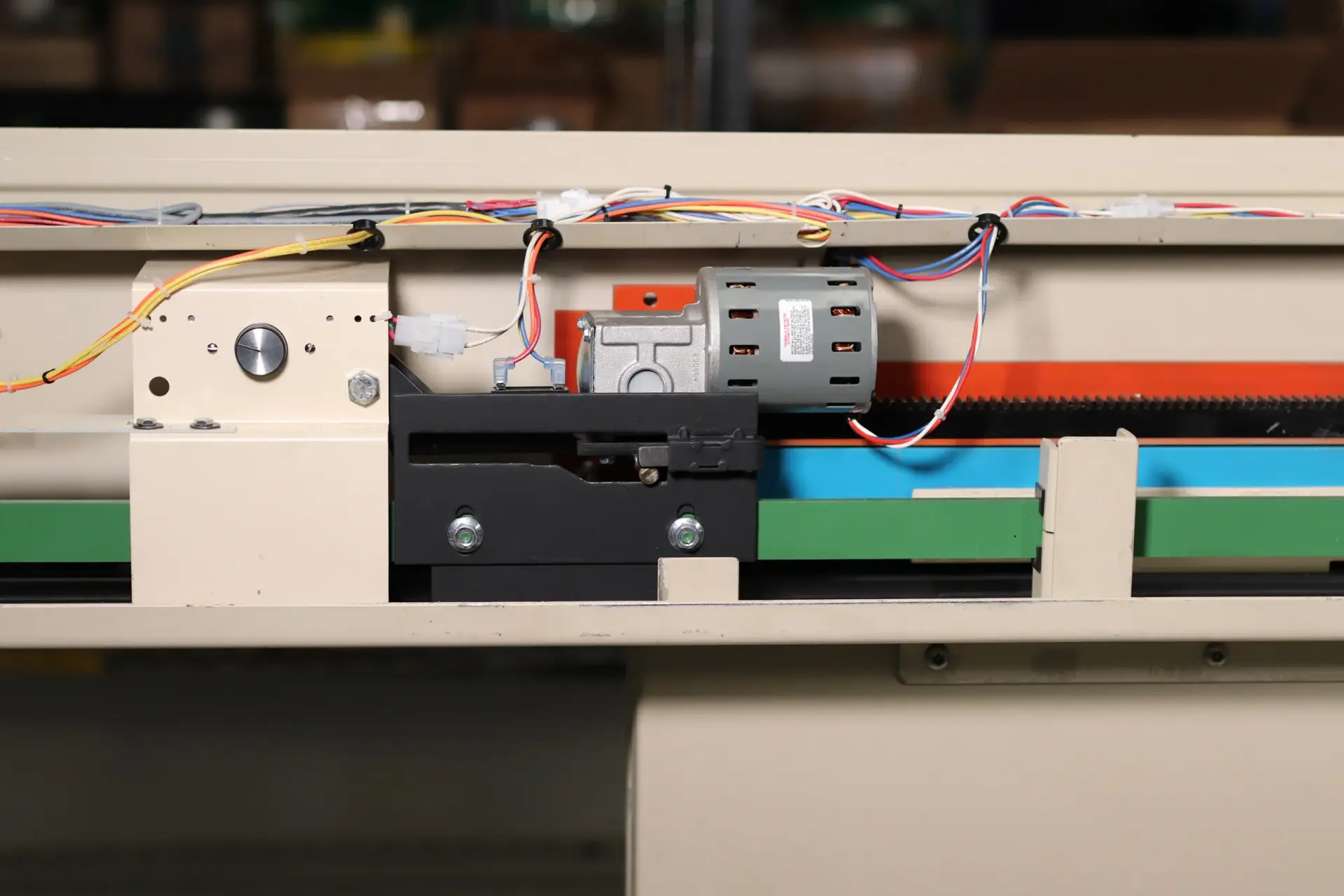
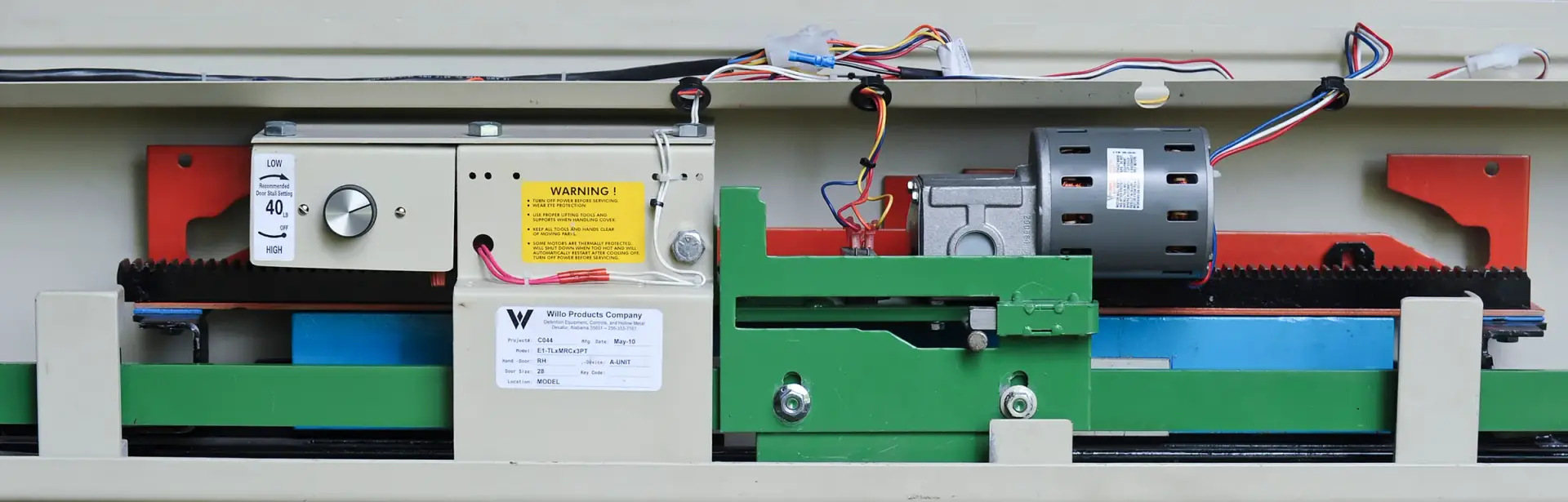
The E1 incorporates a four-point locking mechanism designed to maintain secure door positioning in demanding detention environments. Its fully driven rack-and-pinion system uses a motorized mechanism to operate the sliding door, providing controlled movement during opening and closing.
When the locking mechanism engages, the lock bar is forced into position and deadlocked to resist unauthorized unlocking or manipulation. The E1 also features a non-backdrivable gearbox integrated with the drive motor, helping prevent the mechanism from being reversed manually.
Rugged internal components are designed to withstand repeated operation and the demanding conditions commonly found in correctional facilities.
The E1 combines electrical operation with manual release capabilities to support both routine facility operations and maintenance requirements.
Key features and available options include:
• Fully driven rack-and-pinion operation: Provides motorized door movement through a 120 VAC drive motor.
• Four-point locking: Secures the door through a locking mechanism designed to resist manipulation.
• Door status indication: Optional highly visible, 30 mm red or green LED indicators provide clear visual feedback.
• Manual release capabilities: Individual manual release using a tool at each door, with remote manual gang release available as an option.
• Hinged covers: Provide access to internal components for inspection and servicing.
• Heavy-duty construction: Rugged components support long-term operation in demanding correctional environments.
These features allow the E1 to be incorporated into detention door control systems while supporting the operational needs of officers and maintenance personnel.
Replacing an aging sliding door locking device does not always require replacing the entire door assembly. The E1 can be configured for retrofit applications, allowing facilities to upgrade their locking mechanisms while retaining compatible existing infrastructure.
Depending on the condition and configuration of the existing equipment, retrofit installations may reuse transom housings, doors, lock bars, guides, receivers, and other components.
This approach offers several advantages:
• Reduced renovation costs: Reusing serviceable components can help avoid unnecessary replacement expenses.
• Less facility disruption: Retaining existing infrastructure can simplify installation and minimize downtime.
• Improved equipment performance: Replacing worn operating mechanisms helps restore reliable door movement and locking.
• Extended infrastructure value: Compatible existing components can remain in service rather than being discarded.
Willo evaluates existing sliding door equipment to determine retrofit compatibility and identify the appropriate scope of work.
Selecting a detention sliding door locking device requires consideration of security, operating requirements, installation conditions, and long-term maintenance.
The E1 is designed to support these priorities through its robust mechanical construction, electrical controls, and manual release capabilities. Its rack-and-pinion configuration provides a dependable approach to sliding door operation, while its four-point locking mechanism addresses the security demands of detention applications.
Willo also provides replacement parts, technical assistance, and maintenance services to support detention locking equipment throughout its service life.
Access to accurate product information is essential when evaluating equipment for new construction or renovation projects. Willo can provide E1 documentation to assist with product selection and specification requirements.
Each unit is engineered to your door, frame and wall conditions. Confirm final values on the submittal.
Application
Fully driven detention sliding doors; new construction and retrofit applications
Drive Mechanism
Motorized rack-and-pinion system; 120 VAC drive motor
Locking
4-point locking mechanism with positive deadlock
Manual Release
Individual manual release using a tool at each door; optional remote gang release
Options
Hinged covers; 30 mm red or green door status indication LED
Cycle life
Designed to meet 500,000 cycles
Does the E1 fit your project?
Ask an EngineerFor architects & specifiers
Every door is different
Planning a detention facility project? Get the E1 product information you need to evaluate its features, operating requirements, and compatibility with your project.