Detention Locking Systems & Controls · Since 1945
Detention Locking Systems & Controls · Since 1945
Preventive Maintenance
Tell us which doors, locks, gates, or controls need a planned maintenance program.
Willo's published maintenance offering includes recurring service and documented work on detention equipment from multiple manufacturers.
Overview
Preventive jail maintenance gives your facility a planned way to care for the doors and locking systems used every day. Willo technicians inspect equipment, perform appropriate maintenance, and document the work so your team can address developing concerns. We support a range of detention equipment, including systems made by other manufacturers. Begin with the equipment you need covered and the maintenance work your staff needs help managing.
Ways to start
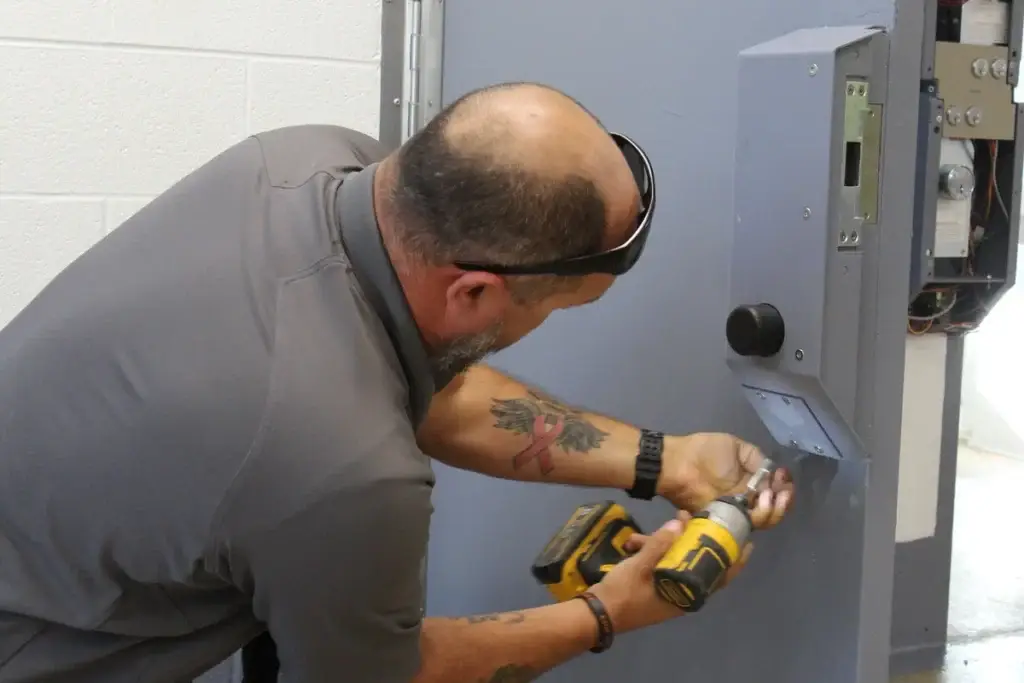
One-time
A defined visit to inspect, maintain and document selected equipment.
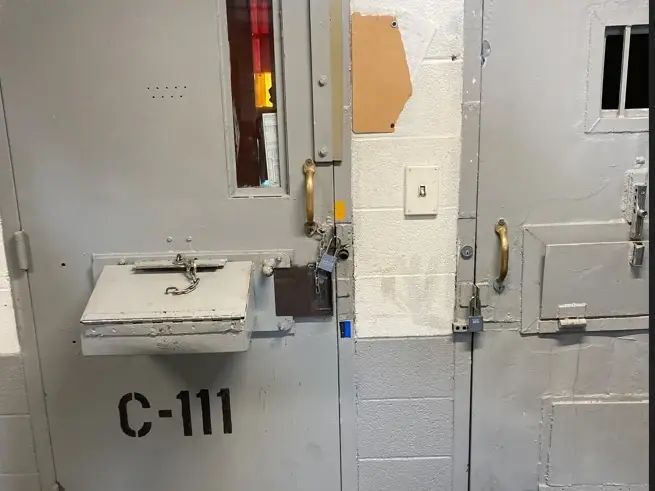
Urgent
Priority support for unexpected failures. Call the service team directly.
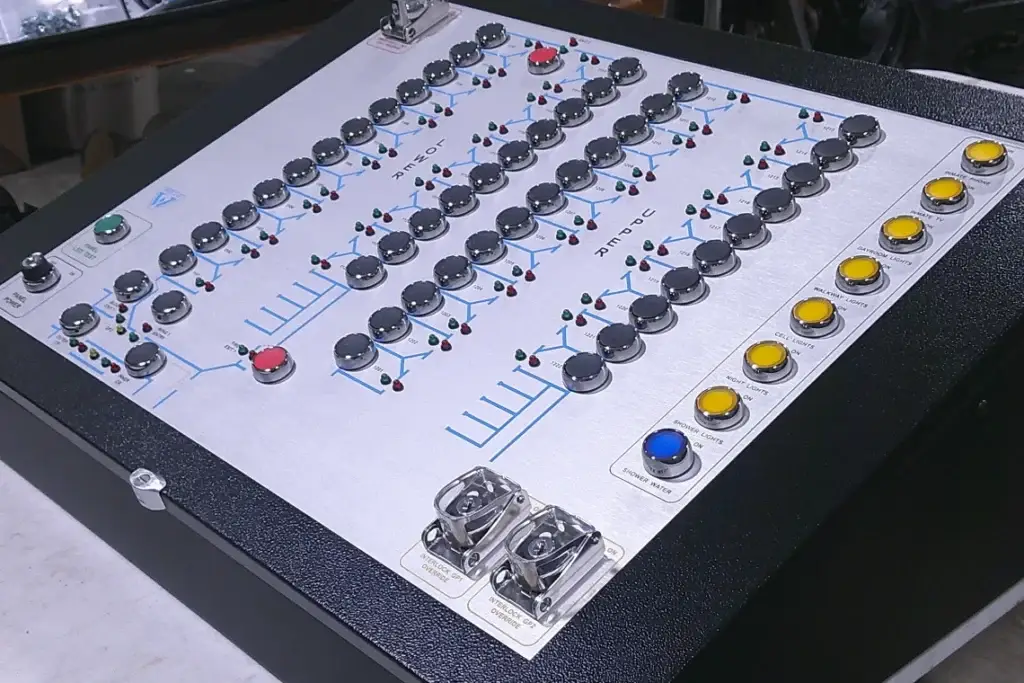
Recurring
Monthly, quarterly or annual visits tailored to your facility's needs.
How it works
01
Doors, locks, gates and controls to cover, plus manuals, identification records and repair history if you have them.
02
We agree on the equipment covered, the tasks performed and which routine work stays with your staff.
03
Cleaning, lubrication and adjustment, with inspection of mechanical and electrical components.
04
Findings and recommended follow-up are recorded so your team knows what needs repair or replacement.
Doors and locks experience wear through normal use as well as the demands of the detention environment. A device that needs repeated adjustment deserves a closer look, even if staff can keep it operating. Planned attention gives the maintenance team a way to track those concerns and distinguish routine care from work requiring repair.
A useful program identifies the equipment included, the work to be performed, and the responsibilities of the people supporting it. Discuss whether the facility needs a one-time maintenance visit, assistance with accumulated work, or a recurring agreement. The right starting point depends on the installation and the maintenance capacity already available in-house.
Willo's maintenance work can include cleaning, lubrication, and adjustment appropriate to the equipment, along with inspection of mechanical and electrical components. Technicians identify worn or failing parts and document system condition. The actual tasks should follow the applicable operation and maintenance requirements and the agreed service scope.
The equipment around a lock matters as well. Door movement, alignment, and control behavior can influence how staff experience a problem. Describe concerns across the opening rather than treating every symptom as a lock failure. Where inspection identifies a corrective need beyond routine maintenance, discuss the relevant repair service or replacement work separately.
Willo offers maintenance arrangements with monthly, quarterly, annual, or otherwise tailored visits. Frequency should reflect the equipment, its current condition, and the demands of the facility. A high-use corridor device may need a different approach from an opening used less frequently. The applicable equipment instructions also need to inform the plan.
Explain which routine tasks your staff already performs and where work is falling behind. A specialist visit can address defined maintenance needs while your team continues its daily responsibilities. Establishing that division clearly helps avoid gaps between visits and makes it easier to determine when an additional service request is needed.
Many facilities have systems installed in different years and supplied by several manufacturers. A maintenance discussion should begin with that equipment mix. Willo services a range of detention systems beyond its own products, with the scope established around the equipment that can be supported at your facility.
Provide existing manuals, identification records, and repair history if available. Older components may require further review before a replacement is selected. Our replacement parts team can evaluate those needs. Maintenance remains useful when it leads to a clear understanding of what can be cared for routinely and what requires a different intervention.
Documentation helps your team see what received attention and which concerns need follow-up. A service record can provide context when a fault returns or when staff changes leave gaps in the installation's history. Keep those records alongside the equipment information and the facility's own maintenance entries.
For administrators, documented findings support discussions about resources and future work. For technicians, they provide a reference for the next inspection or repair. Ask how the agreed scope will be recorded and how recommended follow-up will be communicated. A maintenance visit is more useful when its findings can be understood by the people responsible for the equipment afterward.
For Willo equipment within a warranty period, maintenance requirements still apply. A Warranty Maintenance Agreement provides a defined option for Willo to perform scheduled periodic care. It has a different purpose from optional warranty extension, and the applicable agreement establishes its scope and conditions.
Your facility continues to have day-to-day operating and maintenance responsibilities. Discuss those responsibilities using the product's operation and maintenance manual, especially when the team is taking over a new installation. Keep records of required care. A maintenance plan should make those duties easier to manage rather than leave staff uncertain about which tasks remain theirs.
Maintenance staff benefit from understanding what normal operation looks like and which changes deserve attention. System-specific training can help them connect routine care with the equipment in their facility. It also creates an opportunity to discuss repeated problems and the limits of basic troubleshooting.
If the overall condition of the installation is unclear, consider beginning with a facility assessment. That evaluation can identify a more appropriate starting scope before a recurring schedule is established. The aim is a maintenance arrangement based on the equipment's real needs, with clear responsibilities and a practical way to address findings.
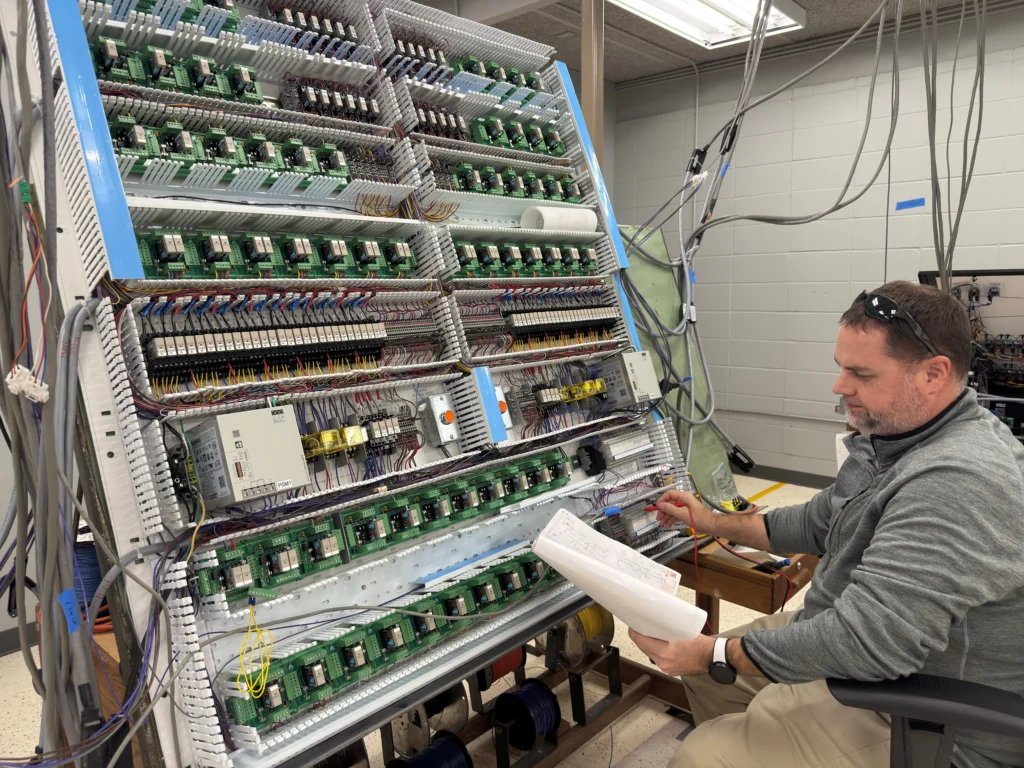
Between visits
Your maintenance staff keeps daily responsibility for the equipment. A Willo visit covers the specialist work that's hard to keep up with in-house. We define that split at the start, so nothing falls between visits and your team knows when a separate service request is needed.
Service & parts
Service
Scheduled and emergency repairs.
Learn more →
Service
A closer review of existing conditions before you plan repairs or upgrades.
Learn more →
Service
Help your maintenance staff recognize signs that need attention.
Learn more →
Parts
Components and keys for existing equipment.
Learn more →
Service & parts
Request a maintenance discussion for the equipment your facility relies on. Share the systems involved, the concerns your staff sees, and the support you need to keep planned care on track.