In depth
Why detention locks fail
Most lock failures in detention facilities trace back to one of three causes: the design of the original hardware, how it was installed, or years of wear and abuse.
Hardware residents can reach
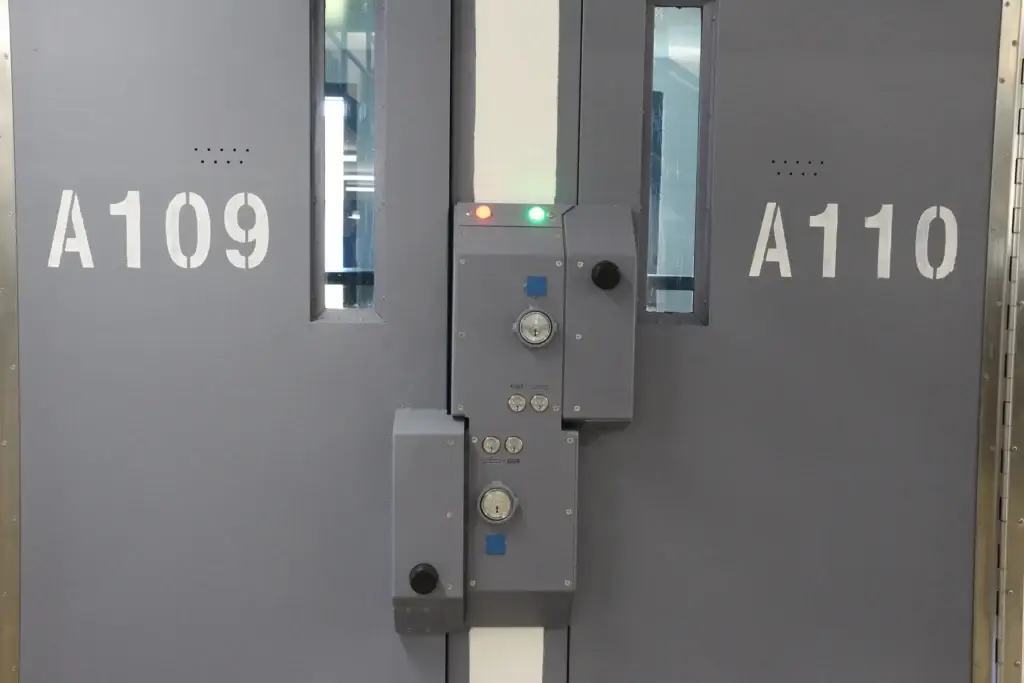
In a standard swinging-door installation, the lock sits in the frame and the strike on the door. From inside the cell, residents can reach the latch and bolt to pop, sheet or card them, or pack the strike with paper, tape or foil so the latch never deadlocks. The door looks shut. It isn't.
Monitoring staff can't trust
When indicator lights in the control room don't match what's happening at the door, officers lose confidence in the system and have to check doors in person. A retrofit should restore status staff can rely on: green only when the door is shut, the bolt is engaged and the latch is locked.
Equipment past its service life
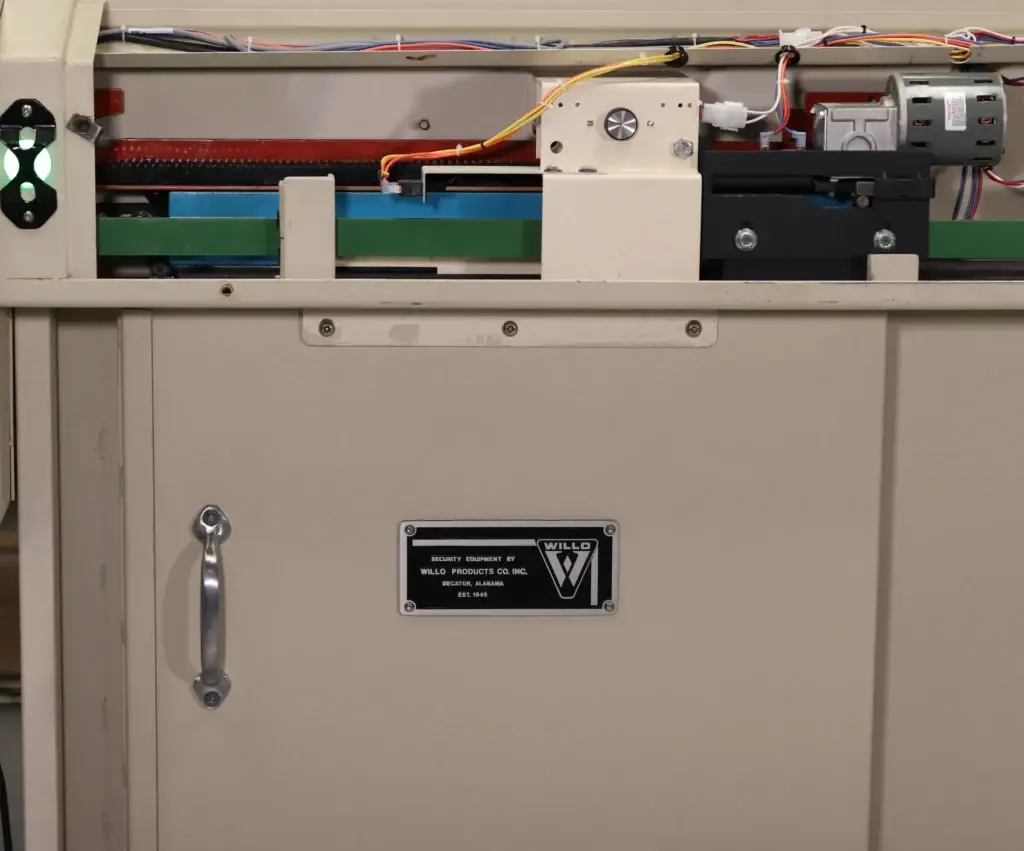
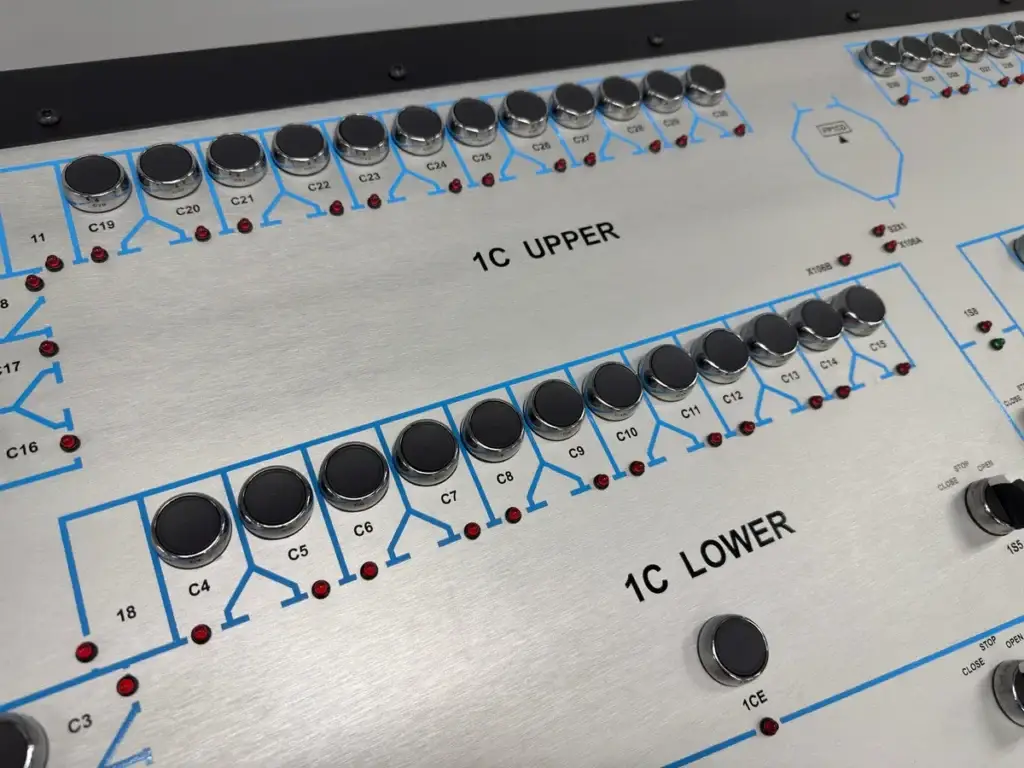
Sliding devices and control panels wear out. As they age, repairs come more often, downtime grows, and parts become hard or impossible to find, especially when the original manufacturer no longer supports the product.
What a good retrofit does
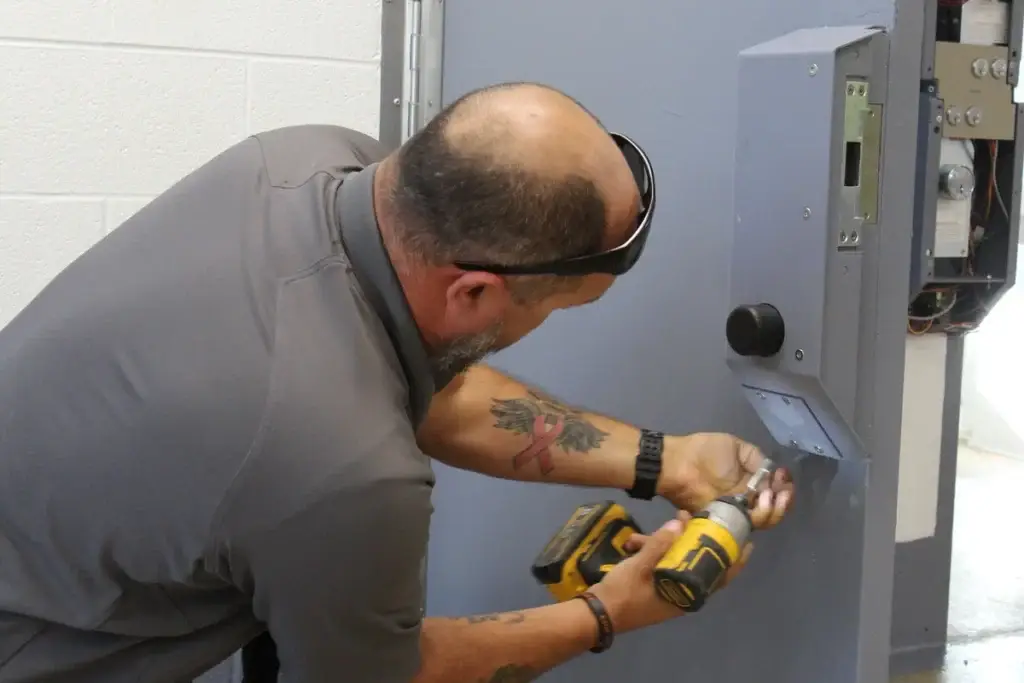
A sound retrofit fixes the cause, not the symptom. It blocks access to the locking mechanism from the secure side, lets debris fall through instead of jamming the latch, gives staff accurate status, and uses parts that can be supported for years. At the Jefferson County downtown jail in Beaumont, Texas, Willo retrofitted 220 worn sliding devices without removing the track-box and renovated the control boxes, saving the county about $400,000.