Detention Locking Systems & Controls · Since 1945
Detention Locking Systems & Controls · Since 1945
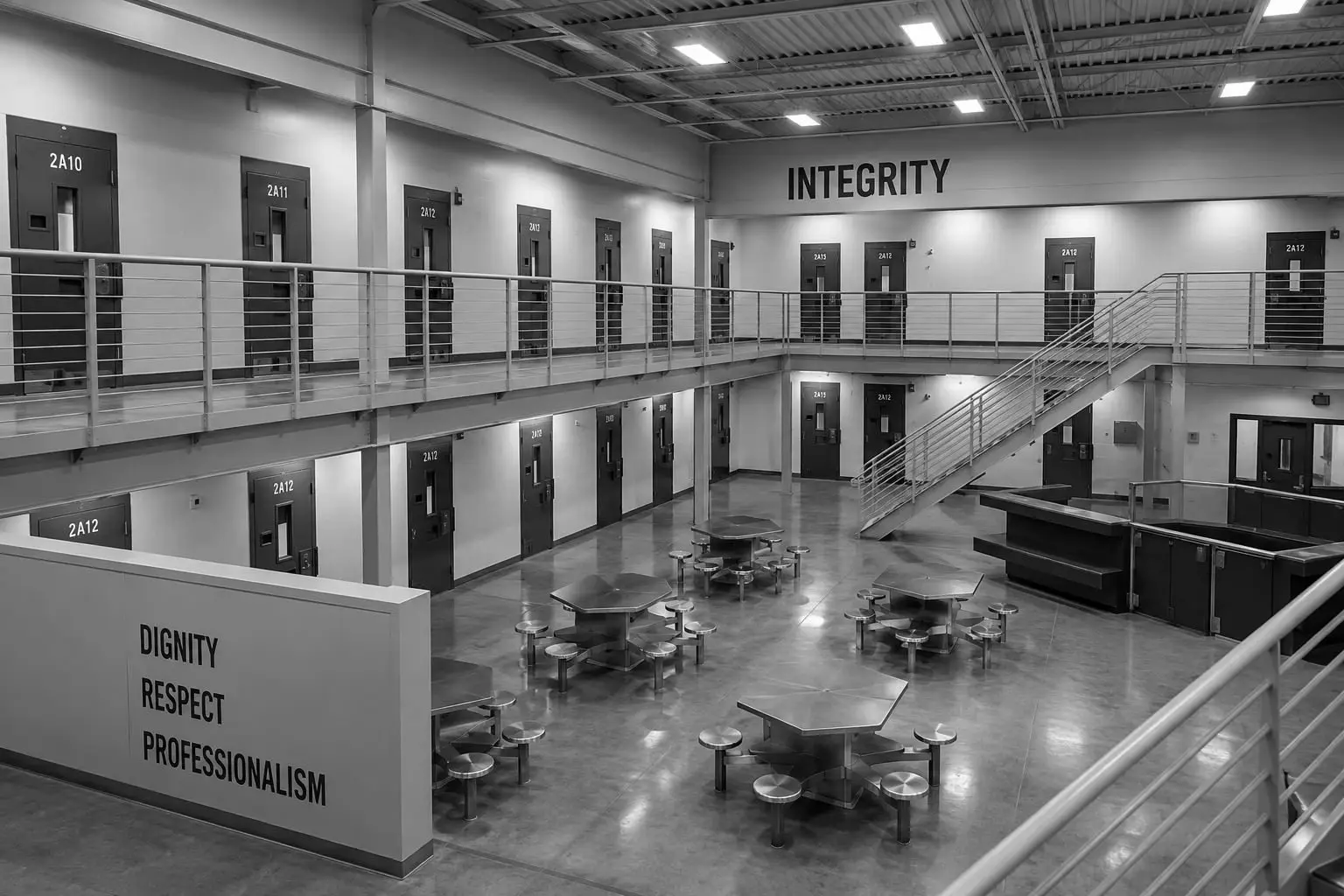
Applications · Project type
Reviewing locks, sliding devices, or controls for a new facility? Willo can discuss the available drawings, specifications, and product data for the equipment your team is considering.
Introduced in 2025, Wedge Slim was developed specifically for specification and installation in new jail and prison construction.
Overview
Equipment choices in correctional facility construction affect how staff will use and maintain the building long after it opens. Architects and engineers need product details they can use in drawings and specifications. Owners need equipment that helps staff manage access to cells and corridors. Maintenance personnel need room to reach the components they will inspect, adjust, and repair throughout the building's life.
Willo offers the Wedge Slim for swinging doors, sliding locking devices, and hardwired door controls for new correctional facilities and expansions. Our products include tamper-resistant features and door-status indicators that help staff check whether doors are secure. Product documentation explains the available models and options so design teams can review how they fit the proposed doors, frames, and controls.
The challenges
New prisons are still built with the same wide-jamb, in-frame locks used for 30+ years.
Those legacy designs leave staff and residents exposed to frame-mounted lock tampering.
Adding tamper resistance after opening means abandoning switches and covering old strike and jamb openings.
The Wedge Slim swinging door lock brings Wedge tamper-resistant features into a semi-recessed design developed for new construction. It is designed for standard lock preparation in wide-jamb hollow-metal frames and includes an integrated door-position switch. Design teams can review how the lock fits the proposed frame and how the selected configuration will connect to the facility's door controls.
The Slim's patented Gripper and double offset design restrict access to locking components. Interlocking covers help protect the mechanism from tampering, while a visual and audible tamper alarm alerts staff to interference with the lock. Local status indicators give officers information at the door as they check security and manage access through the facility.
Cleanout access lets maintenance staff remove debris from the strike receiver. The optional LatchGuard protects the latch-bolt stuffing gap. These features address different places where foreign material can interfere with the lock. The design team can review them alongside the proposed frame preparation, selected lock, and electrical connections needed to operate and monitor the door.
A sliding door must travel fully closed and engage its locking components before it is secure. The drive mechanism moves the door, while the locking components hold it closed. Willo offers different drive mechanisms, along with model-specific locking and status features, so the project team can review how each device will operate at the proposed opening.
The E1 sliding device uses a fully driven rack-and-pinion mechanism. The E2 sliding device uses a fully driven chain-drive mechanism. Both are documented with four-point locking and a deadlocked lock bar.
On equipped devices, an optional red/green LED gives officers in the unit a visible door-status signal. Green indicates that the door has completed its closing travel and the drop bar is fully engaged; red indicates that the door is not secure. Our sliding door device family page explains the available types of equipment, how they operate, and the options for each model.
Officers use the control panel to operate doors throughout the day. Its layout needs to show clearly which switch controls each door. A graphic panel can place physical switches alongside a floor plan, helping officers locate the doors they control and understand which area of the facility each switch serves.
Willo's hardwired door controls use relay-based systems with physical switches and graphic panels. Available options include engraved floor plans and integration with intercom functions. Our product materials also describe CCTV, phone, and lighting control options, with the functions and interfaces selected according to the project.
With relay-based controls, maintenance personnel can inspect the components that perform each control function and service individual parts. The project team can consider that access alongside the panel layout and the functions officers need. Connections to other proposed equipment also need to be reviewed so the selected doors, controls, and communication systems can work together as intended.
The door, frame, lock, supporting hardware, and controls need to fit and work together. Product information helps the design team review where the lock mounts, how the door operates, and what connections are needed, rather than selecting each item without the surrounding equipment in view.
Willo's product information describes the frame preparation a lock needs, how the device operates, and what its indicators show. Architects and engineers can review those details against the opening schedule. Owners can consider how officers will use the equipment, while maintenance personnel can check how they will reach components for adjustments, repairs, and replacement after the building opens.
An expansion may connect new doors and controls to equipment in a facility that remains occupied. Some existing systems may stay as they are, while others may need connections to the new area. Those details affect which control functions are needed and how officers will operate doors across the existing and expanded parts of the building.
The work of caring for a facility continues long after handover. Maintenance personnel need access to components and information about the equipment installed. These practical needs influence the work of adjusting, troubleshooting, and repairing devices that will remain in daily use.
The lock or device selected during design becomes the equipment a maintenance technician will support later. The model, configuration, and operating arrangement remain relevant when a fault needs attention or a replacement component is required. Clear product documentation provides a reference for that work and for questions about the installed equipment.
Willo provides parts and service support for equipment after installation and during upgrades. Facilities can contact us about operating problems, replacement components, repairs, or maintenance. The help needed depends on the installed model and its condition, giving owners a place to ask equipment questions as the building and its locking systems age.
Early in design, a team may need product data to compare lock types and understand where each can be used. Later, drawings and specifications help establish the details of the selected model. Those documents let the team look more closely at frame preparation, operation, status features, and the connections needed for the equipment being considered.
Our product literature is a starting point for product research. For CAD files and full specifications, Request Documents connects your team with Willo. We can discuss the model and configuration being considered, then identify the drawings, specifications, and available file formats that address the team's questions about the proposed equipment.
Teams can also start a project conversation while equipment choices are still being made. An initial inquiry can begin with a question about the doors or controls planned for the building. Willo can explain differences between product families and discuss the information available for the locks, sliding devices, and controls your team is considering.
Solutions
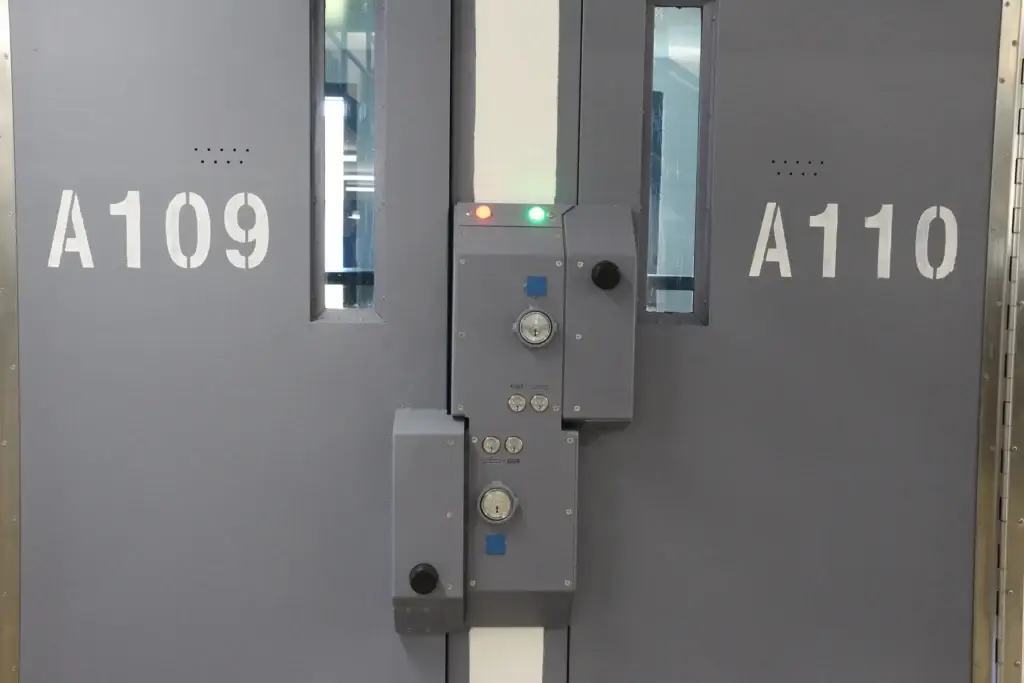
Specify the Wedge Slim, built to mount in the standard lock prep of wide-jamb hollow-metal frames.
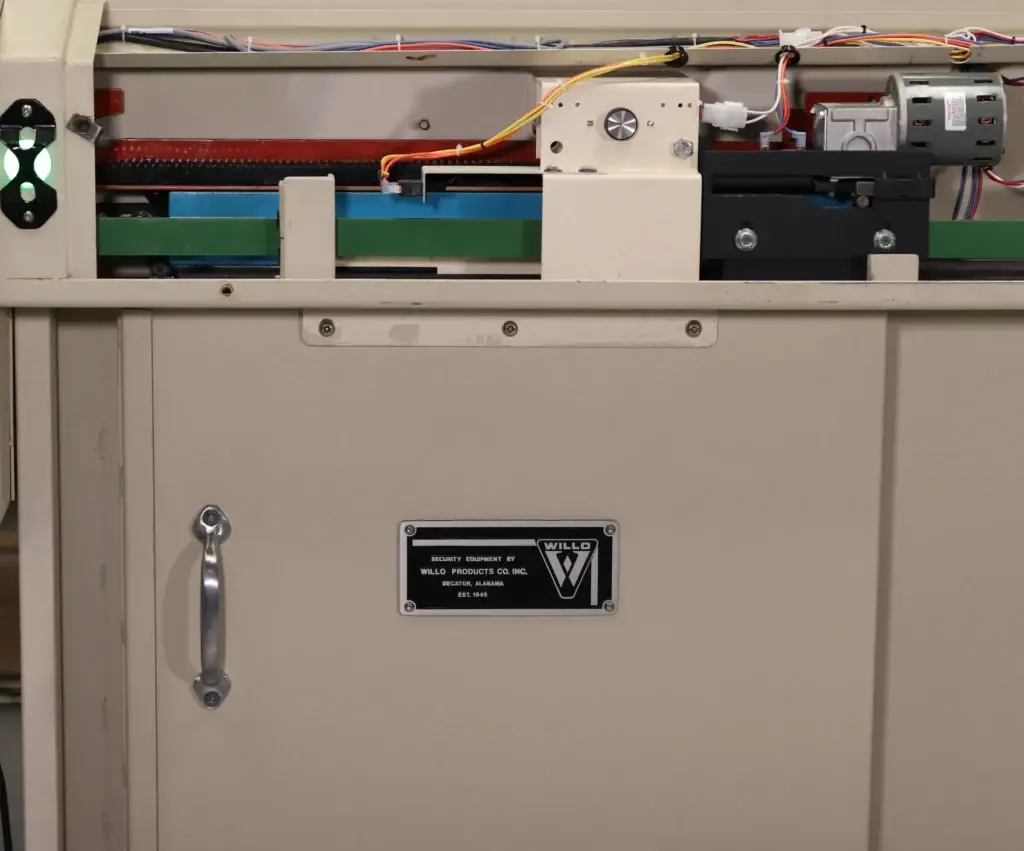
E1 rack-and-pinion and E2 chain-drive devices with four-point locking and an optional red/green status LED.
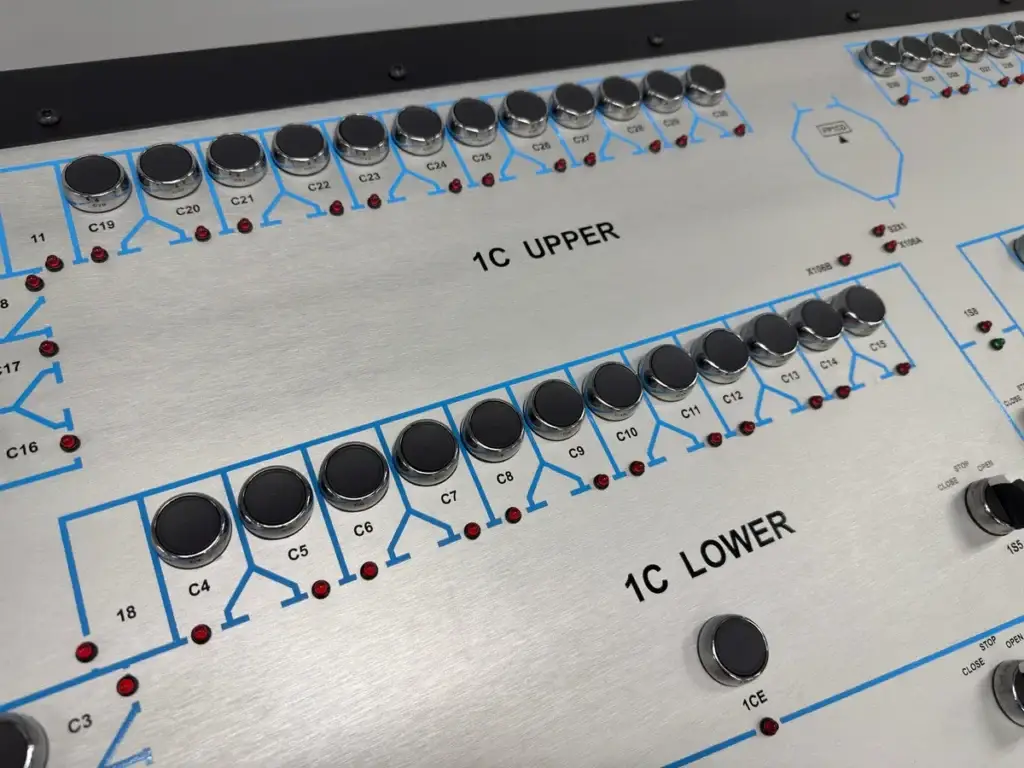
Hard-wired, relay-based control panels keep every door switch at the operator's fingertips.
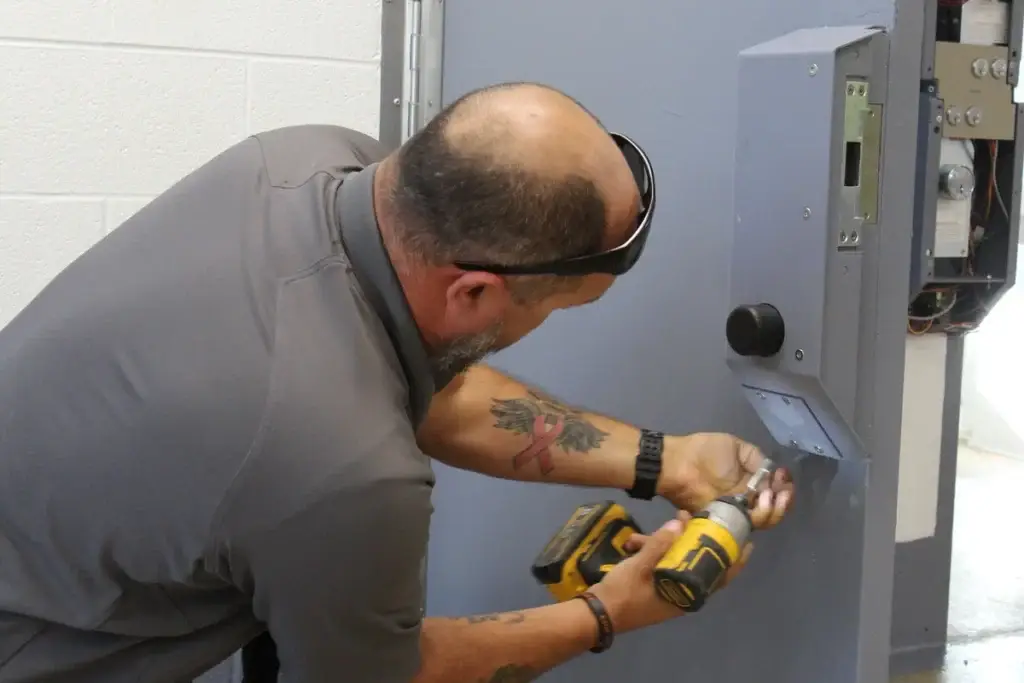
Replacement parts, service and preventive maintenance support the equipment after the building opens.
How it works
01
Product research
Compare lock types with open data sheets and short guide specs.
02
Drawings & specifications
Request CAD files and full specs for the selected models.
03
Coordinate the opening
Align frame prep, controls and connections with the project team.
04
Support after handover
Parts, repair and preventive maintenance once the building opens.
“
You can trust [Willo] and their locks. They do what they say they’re gonna do.
Commissioner · Department of Corrections
Every facility is different
Request project documents for the Willo equipment your team is considering. We can discuss frame preparation, door operation, control connections, and maintenance access, then help identify the available product information for your new facility or expansion.