Detention Locking Systems & Controls · Since 1945
Detention Locking Systems & Controls · Since 1945
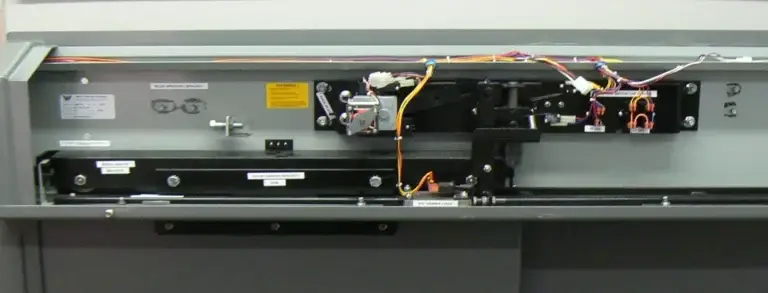
Sliding door devices · Hand-pull
Evaluating hand-pull sliding door locking devices for an upcoming project? Request HP3 product documentation to review its features, operating requirements, and available options.
Door type
Hand-Pull Sliding Detention Door
Mounting
Transom-Mounted
Drive Mechanism
Manual Hand-Pull with Electric Kick Release
Locking Points
4-point locking
Overview
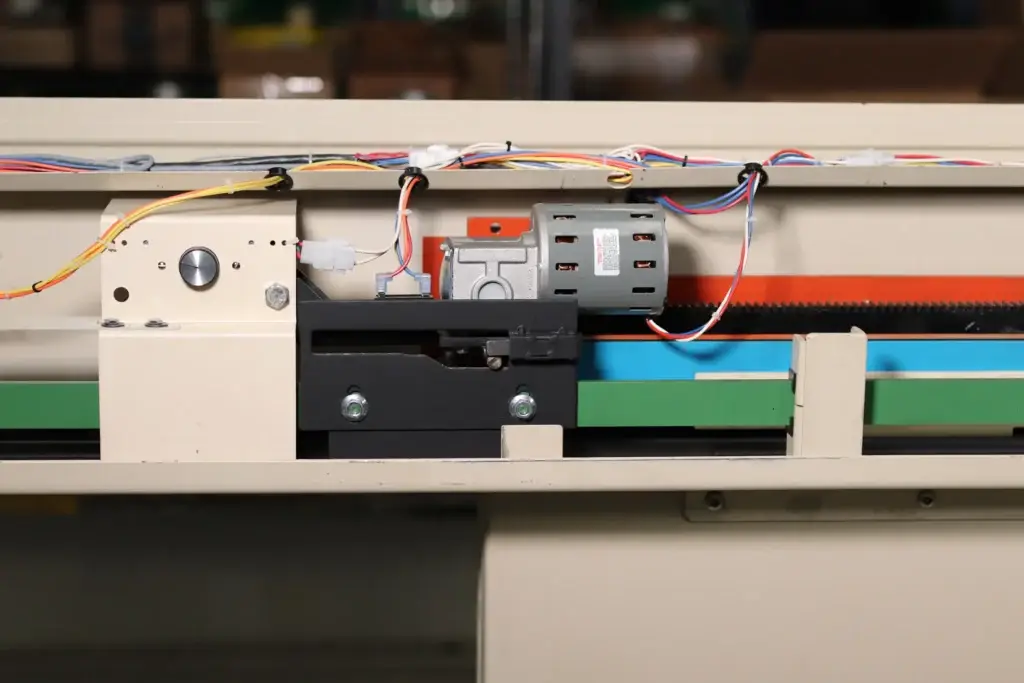
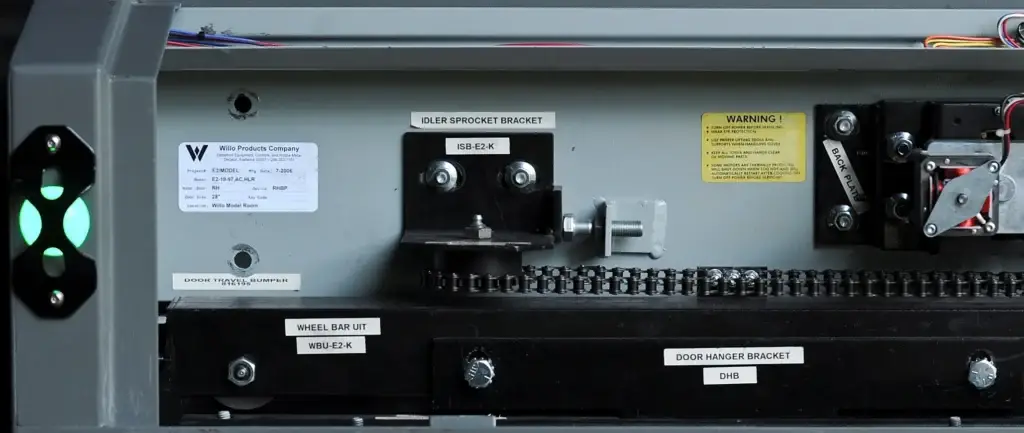
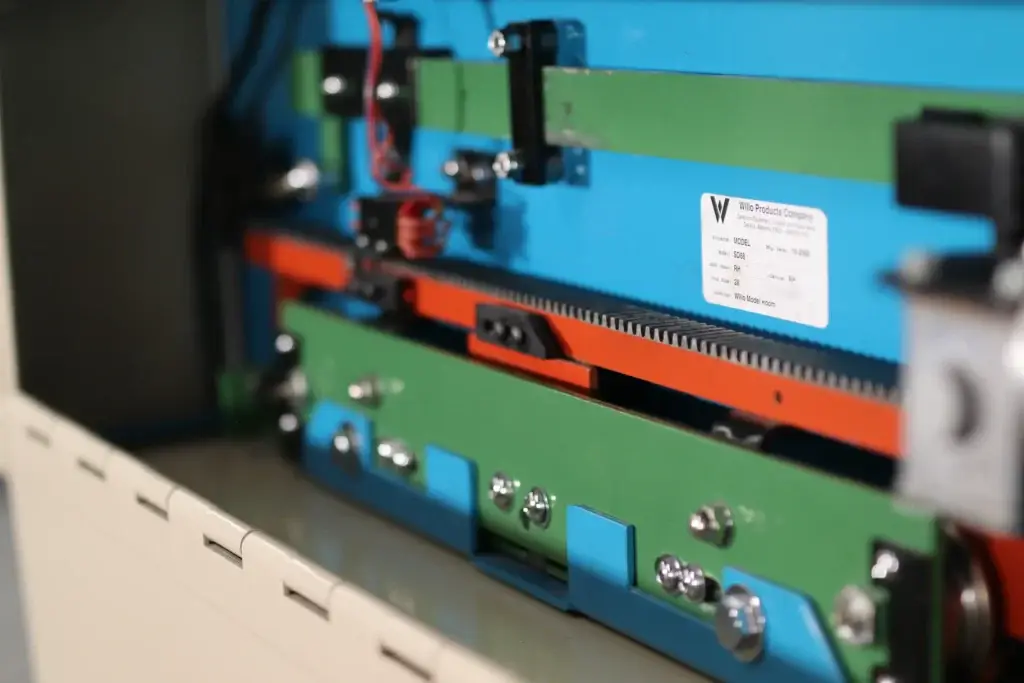
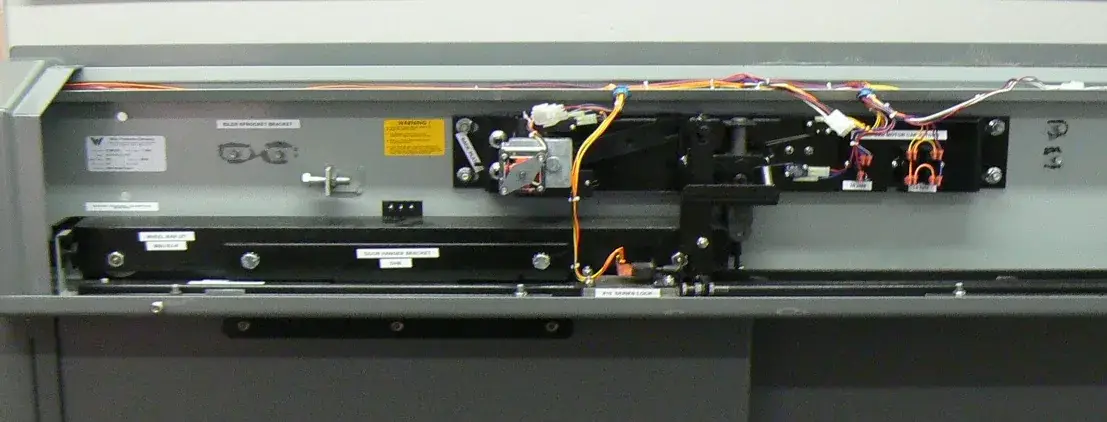
The Willo HP3 is a hand-pull detention sliding door locking device designed for secure, dependable operation in correctional facilities. Combining manual door movement with electrically operated unlocking, the HP3 provides a practical alternative to fully driven sliding door systems. Its four-point locking mechanism, automatic locking capabilities, and durable internal components support the demanding requirements of detention environments. Suitable for new construction and renovation projects, the HP3 offers reliable security while allowing doors to be opened and closed manually.
What's inside
Security
4-point locking mechanism provides secure deadlocking for detention sliding doors.
Operation
Allows officers to manually open and close the sliding door.
Electric Release
Electrically releases the locking mechanism for manual door operation.
Durability
Rugged components designed for demanding detention environments.
Retrofit
Designed for retrofit applications, with opportunities to reuse existing components when feasible.
Monitoring
Indicates a secure condition only when the lock bar is fully engaged and deadlocked.
The HP3 combines manual sliding door operation with an electrically operated locking mechanism. Rather than relying on a drive motor to move the door, the HP3 allows personnel to open and close the door manually once the locking mechanism has been released.
Its four-point locking design helps maintain secure door positioning, while a heavy-duty electric drop-bar motor provides controlled unlocking.
A limit switch monitors the position of the drop bar, providing secure indication only when the bar is fully engaged in the locked position. This helps officers accurately determine door status and reduces the risk of relying on an incorrect secure indication.
The HP3 also automatically locks when the door reaches its fully opened or fully closed position, supporting consistent locking performance during daily operation.
The HP3 is engineered to meet the operational demands of detention facilities while offering flexibility for different door configurations and control requirements.
Key features include:
• Hand-pull operation: Allows sliding doors to be opened and closed manually following release of the locking mechanism.
• Four-point locking: Provides secure door positioning through a durable locking mechanism.
• Electric unlocking: A heavy-duty drop-bar motor releases the locking mechanism for manual door movement.
• Automatic locking: Engages the locking mechanism when the door reaches its fully opened or fully closed position.
• Secure status monitoring: A limit switch verifies that the drop bar is fully engaged before providing secure indication.
• Individual key unlocking: A paracentric lock allows each door to be unlocked manually without requiring a separate release column.
Available options include 120 VAC or 24 VDC motor configurations, highly visible 30 mm red or green door status LEDs, remote gang manual release, and hinged covers for access to internal components.
These capabilities allow the HP3 to accommodate a variety of facility requirements while maintaining straightforward operation and dependable locking performance.
The HP3 can be incorporated into renovation projects where existing sliding door locking equipment requires replacement or upgrading.
Willo evaluates existing door assemblies to determine whether compatible components can remain in place. Depending on equipment condition and configuration, retrofit installations may reuse existing transom housings, doors, lock bars, guides, receivers, and other serviceable components.
This approach can help facilities reduce replacement expenses, limit installation downtime, and extend the useful life of existing infrastructure.
For facilities planning future upgrades, the HP3 also offers the ability to transition to a fully driven E2 sliding door device. By adding a drive motor and modifying the controls, the system can be upgraded from hand-pull operation to motorized door movement.
This flexibility provides an additional consideration when evaluating long-term equipment needs and renovation plans.
Reliable sliding door operation depends on equipment that can withstand frequent use while remaining accessible for maintenance and repair.
The HP3's heavy-duty locking components, electric release mechanism, and automatic locking capabilities are designed to support consistent operation in demanding correctional environments. Available hinged covers provide access to internal components for inspection and servicing.
Willo also offers replacement parts, repair services, and preventive maintenance support to help facilities maintain their detention locking equipment throughout its service life.
When evaluating the HP3 for new construction or renovation, accurate product information helps ensure compatibility with project requirements. Willo can provide documentation to support product selection, design coordination, and specification.
Each unit is engineered to your door, frame and wall conditions. Confirm final values on the submittal.
Application
Hand-pull sliding detention doors; new construction and retrofit applications
Drive Mechanism
Manual hand-pull operation with electric kick release
Locking
4-point locking mechanism with positive deadlocking
Manual Release
Manual door movement following electric kick release
Options
Available configurations and accessories vary by project; consult Willo for details
Does the HP3 fit your project?
Ask an EngineerFor architects & specifiers
Every door is different
Planning a detention facility project? Request HP3 product information to evaluate its locking capabilities, operating options, and compatibility with your facility's requirements.