Detention Locking Systems & Controls · Since 1945
Detention Locking Systems & Controls · Since 1945
The Wedge family · Retrofit
See how the Original Willo Wedge adds tamper-resistant protection to existing swinging detention doors.
Door type
Swinging
Mounting
Surface-mounted
Material
Reinforced steel
Standard
ASTM F1450
Overview
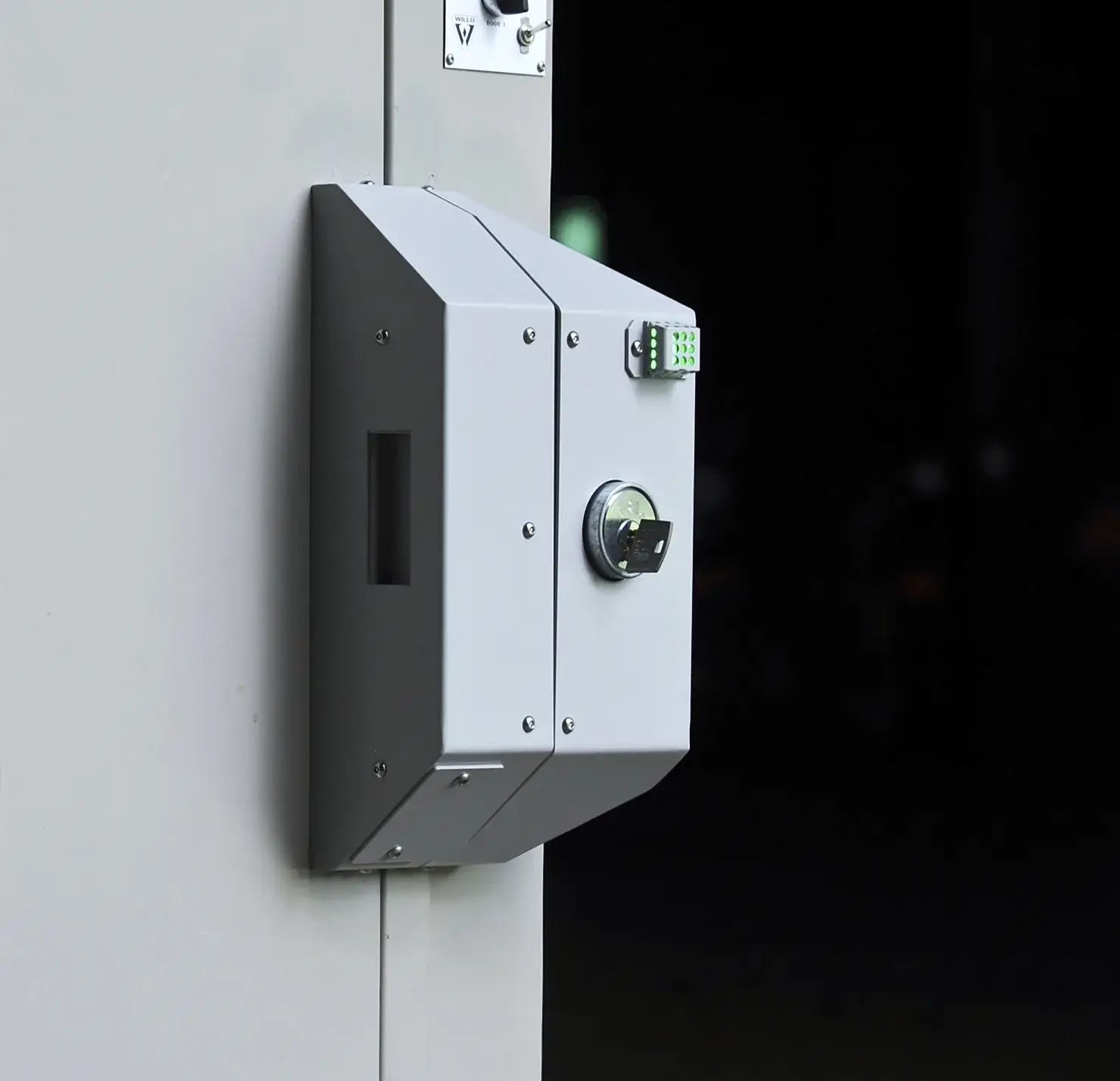
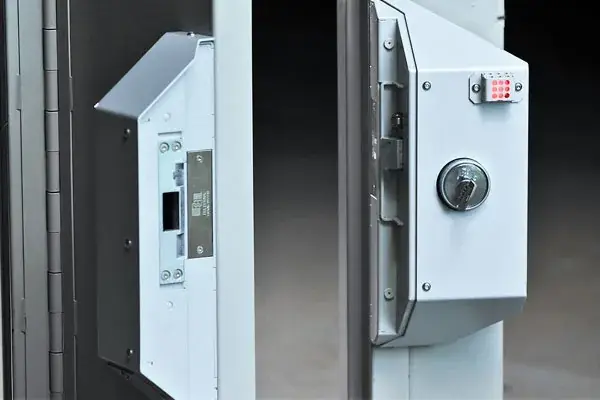
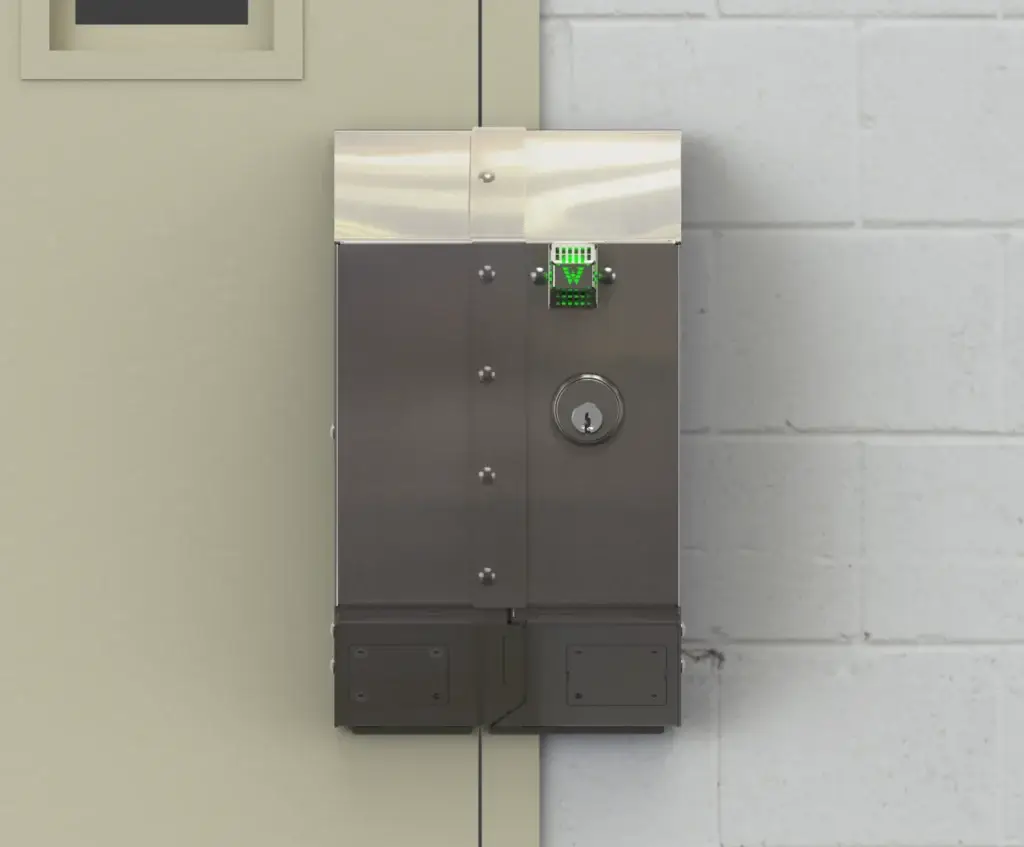
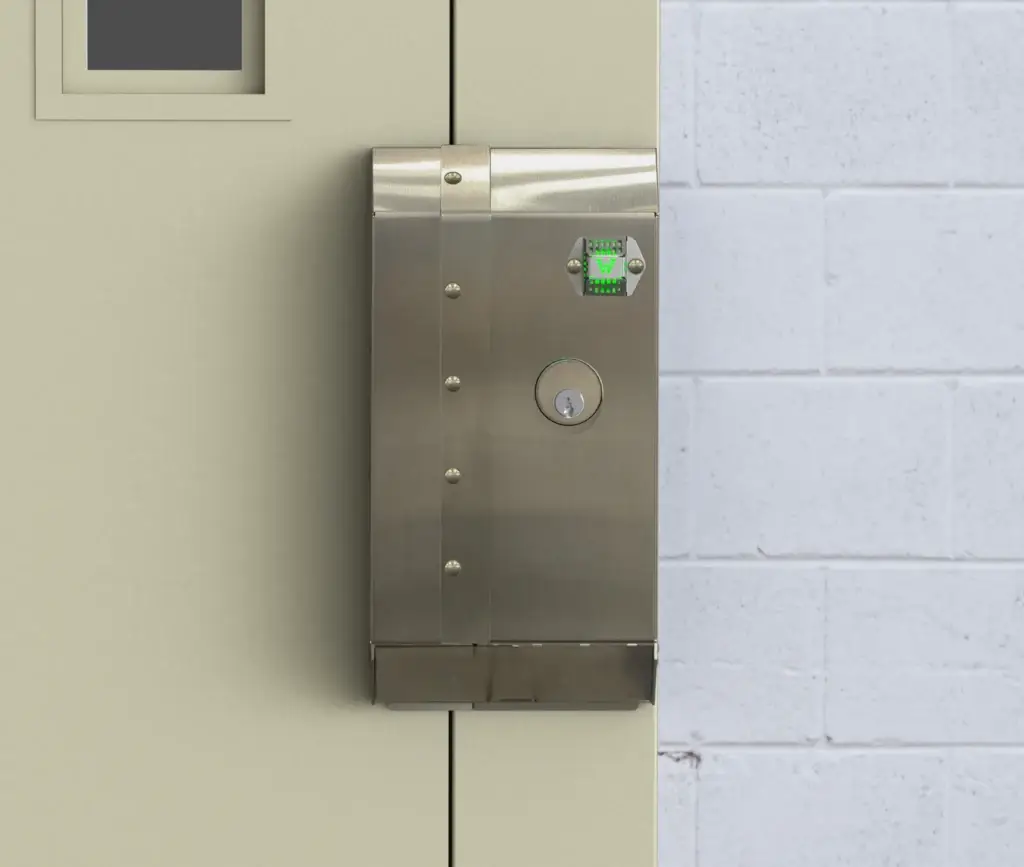
The Original Willo Wedge® lock adds tamper-resistant protection to existing swinging detention doors. Developed for retrofit projects in jails, prisons and detention facilities, it is custom engineered around the door, frame and surrounding wall. That allows a facility to upgrade the lock while accounting for the construction already in place.
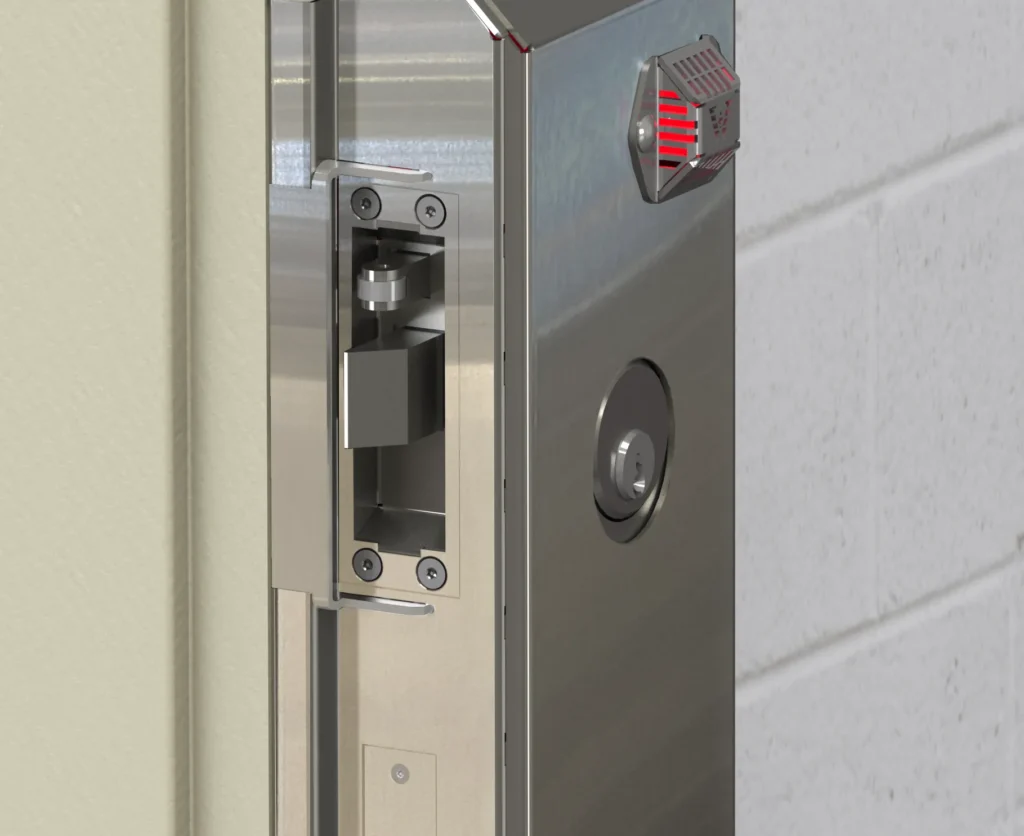
The Wedge also established the patented protections that form the foundation of the Wedge platform. Its patented double-offset design and Gripper protect the latch and roller bolt from common manipulation methods, while a patented visual and audible tamper alarm alerts officers to interference with the lock. Three-point monitoring and local LED indication give staff additional information about whether the door is secure.
Facilities dealing with aging locks or repeated manipulation can use the Wedge to upgrade existing swinging doors. Its retrofit design protects the locking components and helps staff maintain controlled access without assuming that every door and frame must be replaced.
What's inside
Patented
The double offset design keeps the roller bolt and latch bolt out of reach from inside the cell.
Patented
Double encapsulation of the roller and latch bolts resists sheeting, carding and other defeat methods.
Patented
Visual and audible alerts tell staff when the roller bolt is depressed while the door is open.
Maintenance
Debris falls to an accessible cleanout instead of packing the receiver, so the latch bolt can fully extend and deadlock.
Status
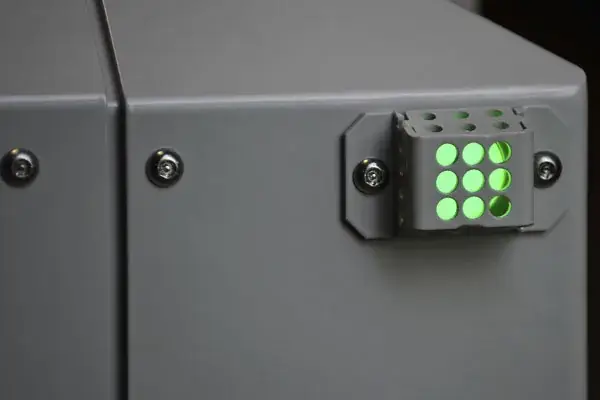
Green when the door is locked and red when it is unlocked, so officers can see lock status at all times.
Status
Confirms the door is shut, the roller bolt is engaged and the latch is locked; a green light shows all three are met.
Age, damage, repeated abuse or the original design can make a swinging-door lock easier to manipulate. If someone can reach the latch, strike or other locking components from inside the cell, they may be able to interfere with the door’s secure closure.
The Original Wedge was developed to protect the lock at an existing door. Its surface-mounted design lets a facility address lock manipulation while considering whether the current door and frame can remain in place.
Each application begins with the construction already in place. The Wedge is custom engineered around the existing door, frame and wall condition so the locking system fits the opening it will serve. That makes it well suited to renovation and retrofit work, where doors and frames may come from different construction periods or reflect years of repairs, modifications and daily use.
Willo considers the existing door, frame and wall from the start of a retrofit. The Wedge is designed around that construction, whether the project involves a few doors with recurring problems or a larger housing-unit renovation.
The patented double-offset design protects the latch bolt and roller bolt from access inside the cell. It changes how the components can be reached, restricting a route used to manipulate traditional swinging-door locks.
The patented Gripper adds another layer of protection around the latch and roller bolt. Its encapsulating design helps prevent sheeting, carding and other common methods used to interfere with or defeat traditional detention locks.
These features address related but distinct concerns. The double-offset design restricts access to the bolts from inside the cell, while the Gripper protects the bolt area against manipulation methods involving material introduced around the locking components.
The double-offset design and Gripper add protection around the latch and roller bolt alongside the Grade 1 maximum-security lock. For a facility dealing with repeated manipulation, these features help protect the parts that must engage correctly for the door to remain secure.
The Wedge’s patented tamper alarm alerts officers to interference with the lock, alongside the system’s physical barriers around the locking components.
The system provides both visual and audible notification when a tamper condition occurs. The alarm is designed to alert staff when the roller bolt is depressed while the door is open, a condition that can indicate an attempt to interfere with the lock’s ability to deadlock.
Manipulation can affect whether a lock deadlocks correctly. The Wedge’s alarm draws officers’ attention to that interference at the door, giving them information about activity the housing and bolt-protection features are designed to resist.
The alarm does not replace routine door checks or facility procedures but instead gives officers another source of information at the opening, complementing the protection provided by the double-offset design and Gripper.
The Wedge also provides security-status information through three-point monitoring, subject to chosen lock specifications. The system verifies three conditions: the door is shut, the roller bolt is engaged and the latch is locked.
When all three conditions are satisfied, a green LED indicates that the door is secure. A red indication shows that the door is unlocked.
Officers can check the LED at the door for security-status information. The monitoring checks the locking conditions as well as whether the door is closed, so the signal accounts for more than the door’s apparent position.
A magnetic door-position switch also sends position information to the facility’s control system. The local LED gives officers information at the door, while the control room can monitor door position through the connected controls.
Foreign material introduced into a detention lock can interfere with the movement necessary for the latch to extend and deadlock. The Wedge addresses that concern with a hollow receiver and accessible cleanout port.
The design helps prevent debris from accumulating in the receiver and provides access to the area during equipment care. Keeping that space clear allows the latch bolt to fully extend and deadlock as intended.
This feature addresses a different form of interference from carding or sheeting. The Gripper and double-offset design protect the latch and roller bolt from manipulation, while the hollow receiver and cleanout port address material placed into the receiving area.
When debris needs to be removed, maintenance personnel can reach the receiver through the cleanout port. This access helps staff keep the latch’s receiving area clear after the retrofit is installed.
The Wedge includes an integral door pull with an anti-ligature design. The integrated arrangement avoids creating a separate tie-off point at the pull, making the feature relevant to high-priority areas where ligature concerns influence equipment selection.
The integral pull gives staff a way to move the door as part of the Wedge assembly. Its shape and position are included in the locking-system design, alongside the other components surrounding the lock.
The Wedge meets ASTM F1450, the standard required for Grade 1 detention frames and doors. That impact-test performance accompanies a product developed specifically to address manipulation and abuse of swinging detention-door locking systems.
The Wedge has also moved well beyond its initial application. Thousands of Wedge locks have been sold over more than a decade, with installations in major county jails, state correctional facilities and other detention environments across the United States.
Facilities have used the Wedge to upgrade existing swinging detention doors across a range of jail and prison projects. Its purpose remains to protect vulnerable locking components and give officers information about whether a door is secure.
The history of the Wedge began with a retrofit challenge at Fulton County Jail in Atlanta. Willo worked with facility personnel to address problems they were experiencing with existing cell-door locks.
A nine-device trial allowed the facility to evaluate the approach before moving forward with funding for approximately 950 installations across the jail’s two towers.
The product grew from problems staff were encountering in a jail already in operation. Existing doors needed a retrofit that would protect accessible locking components and address repeated manipulation. The trial gave the facility a way to see the proposed equipment in use before proceeding with more installations.
The resulting surface-mounted system became the foundation of the broader Wedge product family. Its double-offset design, Gripper and tamper alarm continue as core Wedge protections today.
Facilities with an existing Wedge installation may have needs that differ from those of a facility considering its first retrofit. Maintenance personnel may need help identifying equipment, locating replacement parts or addressing a recurring condition at a particular opening.
Willo’s service and parts team supports installed Wedge systems. Maintenance personnel can contact us about the affected door or locking equipment, and we can help identify its configuration, locate appropriate parts, or discuss the repair needed.
Preventive maintenance and locking-system repair services help facilities keep installed equipment working. Willo can discuss an immediate fault or routine maintenance while the facility considers a future renovation. A repair inquiry can focus on the door that needs attention, even if wider upgrade plans are still undecided.
The Original Wedge is the surface-mounted retrofit product that established the Wedge platform’s approach to swinging-door security. Its patented double-offset design, Gripper and tamper alarm became foundational features carried into later members of the Wedge family.
The Wedge SurfaceMax™ builds on those protections with an interlocking-cover design and additional features for retrofit applications. The Wedge Slim™ brings the Wedge platform into new construction through a semi-recessed design for standard wide-jamb hollow-metal lock preparation.
The Wedge remains a custom-engineered, surface-mounted locking system for existing swinging detention doors. Facilities can discuss a new retrofit with Willo or contact the service and parts team for support with Wedge equipment already installed.
Each unit is engineered to your door, frame and wall conditions. Confirm final values on the submittal.
Application
Renovation and retrofit of existing swinging doors
Door & frame
Existing doors and frames; custom-engineered to the door, frame and wall condition
Construction
Reinforced steel
Cover
Mounts onto narrow jamb and wide jamb frames
Monitoring
Visual and audible tamper alarm; secure-indication LED (green/red)
Standards
ASTM F1450
Does Original Wedge fit your project?
Ask an EngineerFor architects & specifiers
Every door is different
See how the Original Wedge protects vulnerable locking components, provides security-status information and adapts to existing detention construction. Request a demonstration to review the system and discuss the swinging doors your facility is considering for retrofit.