Detention Locking Systems & Controls · Since 1945
Detention Locking Systems & Controls · Since 1945
Facility Assessments
Tell us which systems need evaluation and what decision your facility is preparing to make.
Willo's assessment offering includes on-site evaluation, documented equipment findings, and prioritized recommendations.
Overview
A jail security assessment of doors and locking systems helps your team understand the condition of the equipment it depends on. If repair concerns have accumulated or a future upgrade needs a clearer basis, Willo can evaluate the equipment and document findings. Our assessments focus on mechanical and electrical conditions relevant to maintenance, repair, and replacement decisions. Begin with the systems you want reviewed and the questions your team needs the assessment to answer.
What we evaluate
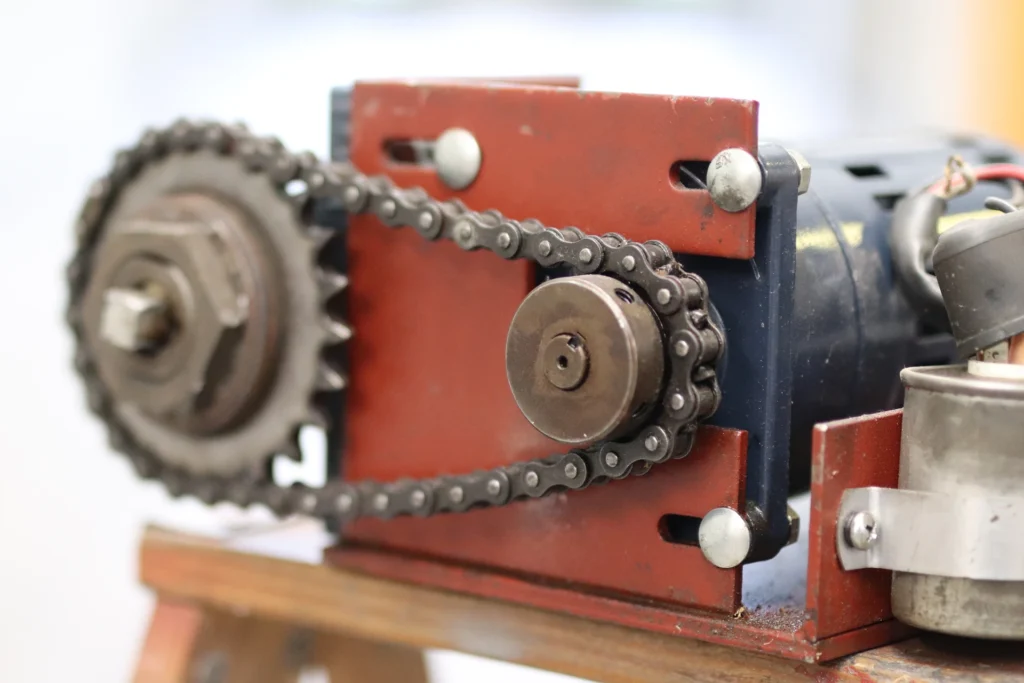
Mechanical
Operating performance and visible wear on locks, sliding devices and the moving parts that drive them.
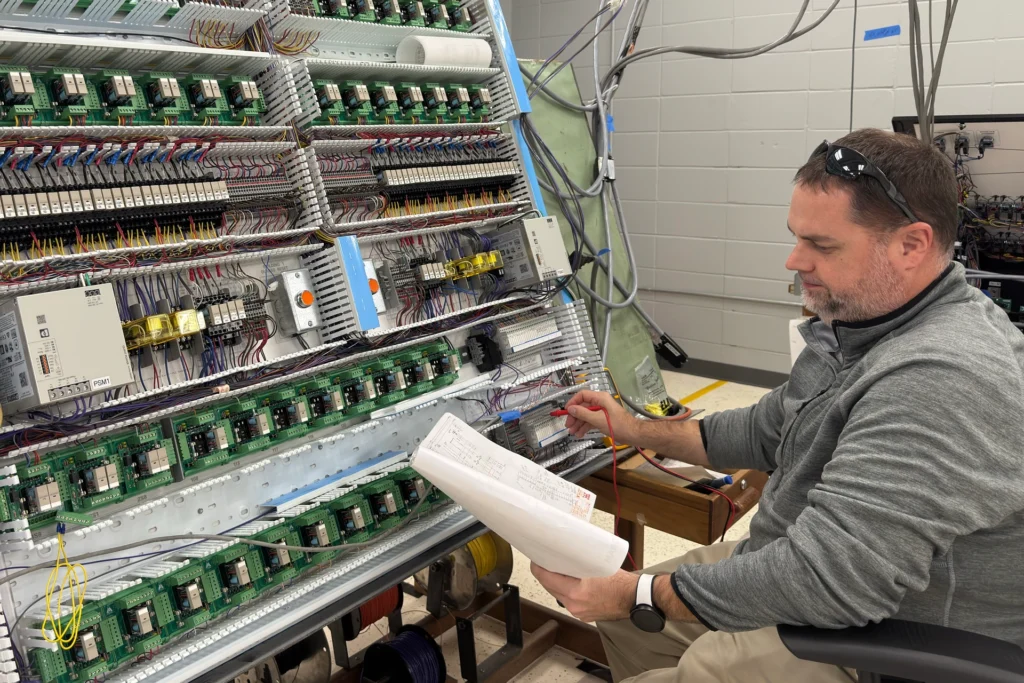
Electrical
How control panels, relays and indication work with the locks and devices they operate.
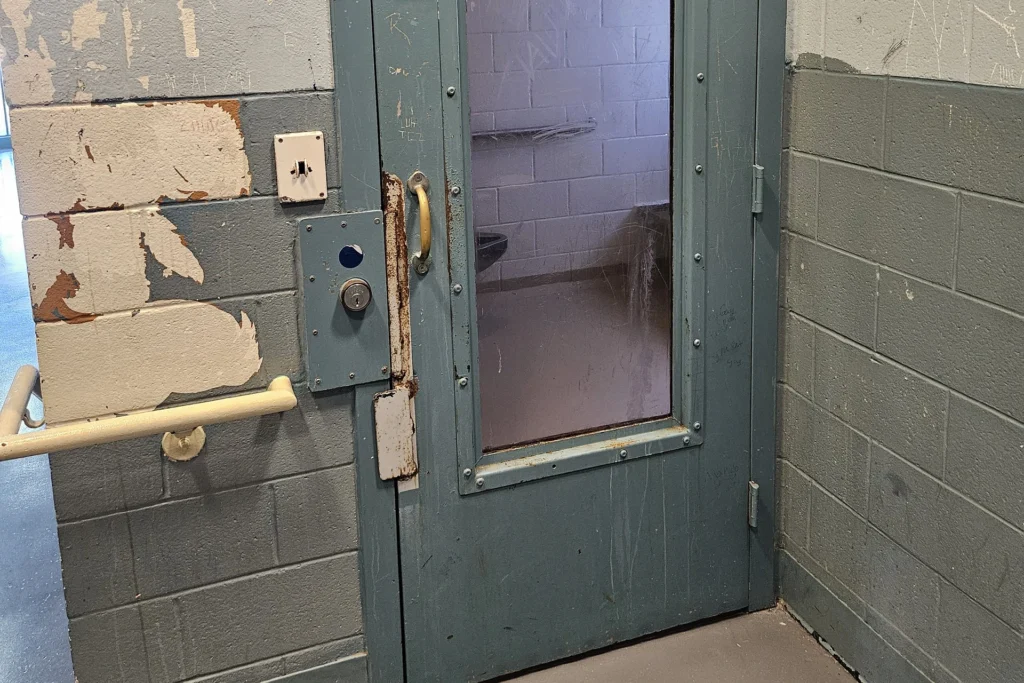
Condition
Visible condition, staff-reported concerns and maintenance history, reviewed together.
How it works
01
Tell us which systems need review and the decision your facility is preparing to make.
02
Share work orders, manuals and staff observations. Gaps can be identified and planned around.
03
Willo reviews mechanical and electrical condition within the agreed scope, following your facility's procedures.
04
Receive documented conditions and prioritized recommendations to guide maintenance, repair or replacement.
A list of repair complaints does not always show the condition of an entire installation. One opening may need adjustment, another may have worn components, and a third may need a broader upgrade. An assessment creates an opportunity to examine those concerns within an agreed equipment scope.
Explain the decision you are trying to make. You may be planning a maintenance program, evaluating repeat problems, or preparing a capital request. Those objectives affect the information that will be useful. Establishing them early helps the assessment address practical questions rather than produce observations with no clear purpose for the facility.
Willo assesses the mechanical and electrical components of detention door and locking systems. The review can consider operating performance, visible condition, and concerns identified by staff. The exact equipment and extent of inspection should be established as part of the service scope.
Include the relationship between the lock or device and the controls that operate it. A concern reported as a door problem may involve several parts of the installation. Describe the command given, the movement observed, and any inconsistent indication. These details help the assessment focus on the actual operating issue while keeping findings tied to what was examined.
Your team's knowledge is an important input. Work orders can show which openings need repeated attention. Manuals and equipment records can identify components installed at different times. Staff may also know when a problem began or how it changes during normal operation.
Gather the information already available rather than delaying the discussion until every record is complete. Identify gaps openly so the scope can account for them. A useful assessment connects what the facility has experienced with the equipment condition observed during the review. That connection gives later maintenance and project discussions more context.
Willo's assessment service documents system condition, identifies worn or failing components, and provides prioritized recommendations. Depending on the findings, the next step may involve maintenance, repair, or replacement. The recommendations should help your team understand which concerns need attention and what further information is required.
Ask how the findings will be presented and what the agreed deliverable will cover. Your administrators and maintenance team may use the same information for different decisions. Clear descriptions help both groups understand the condition, the proposed action, and any questions that remain open after the visit.
Some findings may be addressed through a planned program of cleaning, lubrication, inspection, and adjustment. Our preventive maintenance services can be discussed where ongoing care is the appropriate path. Other findings may point to a specific repair service need.
The assessment discussion should distinguish the evaluation from any corrective work that follows. Establish whether repairs are included in the agreed scope or require a separate proposal. That clarity helps your team plan staff involvement and funding, and it avoids treating every recommendation as work already authorized or completed.
When existing components are heavily worn, obsolete, or no longer suited to the required operation, the facility may need to evaluate a larger change. Renovation and retrofit planning begins with the installation that exists today and the function the facility needs afterward.
For sliding openings, retrofit device options may warrant review where existing components can be retained. Controls concerns may lead to a discussion of security electronics. An assessment gives those conversations a stronger basis, but the final design and scope still require the relevant project and engineering work.
Explain how the affected areas can be accessed and who will coordinate with the assessment team. Identify the equipment locations, the systems to be included, and any operating constraints relevant to the visit. The facility's procedures should inform the arrangements before work is scheduled.
Choose a facility contact who can bring together operating observations and maintenance history. If several departments need the findings, identify their questions early. An assessment is more useful when the people responsible for the next decision understand its scope and can supply the information needed to carry it out.
After the evaluation, use the documented condition and recommendations to define the next conversation. That may be a repair proposal, a maintenance agreement, a training need, or a project for equipment replacement. Maintenance team training can help staff understand the systems they will continue to support.
Keep the assessment information with the facility's equipment records so it remains available as work progresses. Willo can discuss the service or product paths relevant to the findings. Your team can then consider the immediate equipment concerns alongside the longer-term work it needs to plan.
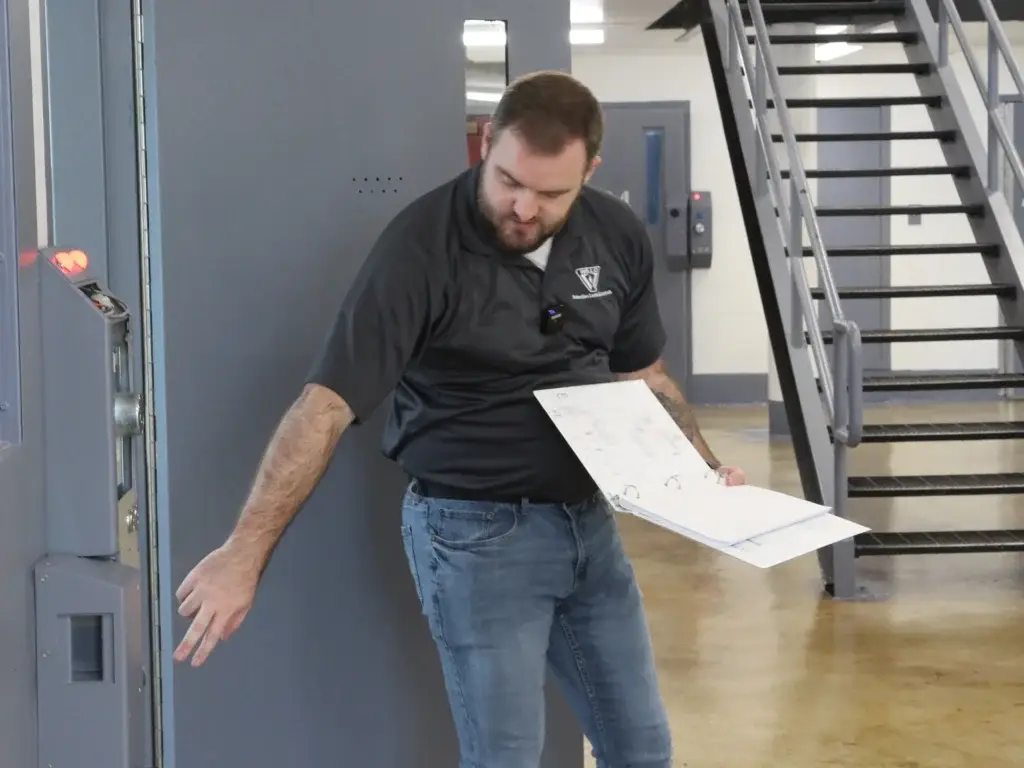
On-site evaluation
An assessment connects what your staff experience every day with the condition of the equipment itself. Willo documents what was observed, identifies worn or failing components and prioritizes recommendations. Administrators can use the findings to support budget and capital requests, while maintenance teams use them to plan the work ahead.
Service & parts
Service
Inspection, cleaning, lubrication and adjustment on a schedule that fits your facility.
Learn more →
Service
Scheduled and emergency repairs.
Learn more →
Service
Help your maintenance staff recognize signs that need attention.
Learn more →
Parts
Components and keys for existing equipment.
Learn more →
Service & parts
Start an assessment project with the systems you need reviewed and the questions your facility needs answered. We can discuss a scope that supports your next equipment decision.