Detention Locking Systems & Controls · Since 1945
Detention Locking Systems & Controls · Since 1945
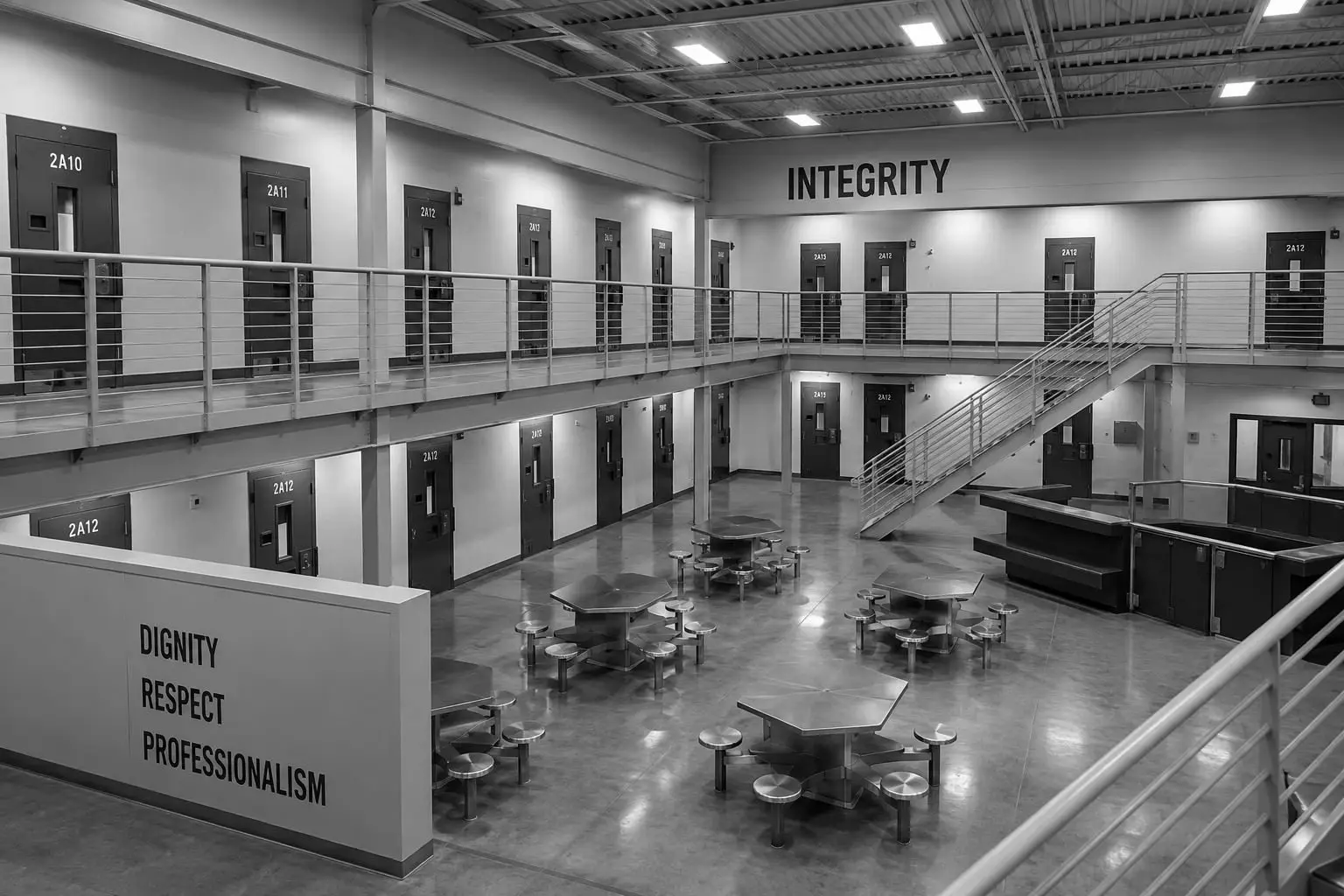
Applications · Facility type
Let's discuss the doors your staff use to manage access to resident rooms and shared spaces. Willo can help you explore repair, upgrade, and new construction options for your juvenile facility.
Willo's detention equipment experience dates to the 1970s and includes manufacturing, upgrades, replacement parts, and maintenance support.
Overview
Juvenile detention door security helps staff provide a safer residence for the young people in their care. Staff need dependable access to resident rooms, housing corridors, and shared spaces throughout the day. Locks and controls help them manage who can enter each area and when residents can move between rooms, activity spaces, and other parts of the facility.
Willo helps juvenile justice agencies and facility administrators explore locking systems for existing residences and new facilities. Our swinging door locks and sliding locking devices resist tampering and offer status features that help staff check doors. We consider the doors and hardware already in place, the problems staff report, and the repairs or upgrades your agency is planning.
The challenges
Interference with the latch or roller bolt can keep a door from closing securely.
A sliding door can appear closed while its locking component has not fully engaged.
Some doors need repeated attention from staff and maintenance personnel.
Worn or broken hardware adds work even before a major renovation is planned.
Parts for older locking systems can become difficult to find.
When a problem recurs, the lock, door and related components need a closer look.
A juvenile residence includes living areas and spaces used for meals, education, and other daily activities. Doors to resident rooms, corridors, and shared spaces serve different purposes. Staff need locks and controls that suit the way each door is used, along with status information that helps them recognize when a door has not secured or needs attention.
Our range includes swinging door locks for resident rooms and other doors, alongside sliding devices for confinement areas and corridors. Equipment selection depends on the hardware already installed, how staff control access at each door, and the space available for maintenance. Local status indicators give staff information at the door, while tamper-resistant features restrict access to locking components.
Residents' safety and dignity remain central to the project. Dependable locks help staff control access between living areas and shared spaces as they supervise daily movement. Equipment selection also needs to account for the agency's procedures for using those doors and the staff responsible for operating and maintaining them throughout the day.
Tampering with a locking mechanism can interfere with the secure closure staff depend on. The Willo Wedge swinging door lock family addresses that concern through a patented double offset design and Gripper that restrict access to locking components. These features are intended to counter common manipulation methods involving the latch and roller bolt.
The Wedge also provides visual and audible tamper alerts. A flashing red LED draws staff attention to a tampering condition at the door. Local door-status information gives staff another way to check the door's security status while following the residence's procedures for door checks and controlled movement.
The Wedge family includes a surface-mounted retrofit option for existing facilities and the semi-recessed Wedge Slim for new construction. The choice depends on the door and frame being retained or specified. Both bring Wedge tamper-resistant features to the project, along with status information staff can check at the door as they manage access.
A sliding door must travel fully closed and engage its locking mechanism before it is secure. A door that looks closed may still have a locking component that has not fully engaged. An indicator at the door can help staff check these conditions as they move through the residence and manage access between areas.
Willo offers an optional red/green LED on equipped sliding locking devices, including E1 and E2. Green indicates that the door has fully traveled to the closed position and the drop bar is fully engaged. Red indicates that the door is not secure.
The optional LED complements the sliding device's mechanical locking function. E1 and E2 use four-point locking with a deadlocked lock bar. Our sliding locking devices include arrangements for new installations and retrofit work, with features determined by the model and configuration.
An existing building can have several equipment needs at once. Some openings may require recurring adjustments, while others may have damaged components or hardware that is becoming difficult to support. Those conditions can create additional work for staff and maintenance personnel even when the wider facility is not ready for a major renovation.
Willo offers repair support for existing equipment and locking products for upgrade projects. A targeted repair may resolve a damaged component or an adjustment problem. Another door may need a replacement locking device or closer inspection of the door and frame. Willo can discuss those options based on the condition of the installed equipment and the work the facility needs.
Repairing one repeatedly failing lock calls for different work than upgrading a housing area. Equipment that still works may need regular maintenance, while damaged hardware or parts that are no longer available may make replacement appropriate. Looking at each door's condition helps the facility focus repairs and upgrades where they are needed, without treating every door as the same problem.
The value of a locking system continues beyond installation. Maintenance teams need to understand the equipment, reach the components that require attention, and obtain appropriate support when a problem arises. These practical considerations affect how a residence cares for its doors over time.
Our locking system repair services and preventive maintenance services help facilities keep existing doors and locks in working order. Repairs address operating problems. Preventive maintenance provides regular attention to equipment in daily use. When a fault keeps returning, Willo can discuss previous repairs and the condition of the lock, door, and related components to help identify what needs further attention.
Willo manufactures detention equipment and provides replacement parts and service for products already installed. Maintenance personnel can contact us about a faulty lock, a part they need to identify, or a repair question. We can discuss the equipment involved and the help available, whether the need concerns one door or several areas of the residence.
When planning a new residence, owners and design teams can select locks and controls around how staff will supervise access between living areas, corridors, and shared spaces. Swinging locks, sliding devices, and controls each have a role. The way a door opens, how it locks, and the information available to staff all affect that selection.
Our new construction page covers Wedge Slim, sliding locking devices, and hardwired controls. Wedge Slim is designed for new swinging-door installations. Sliding devices serve cells and corridors, while hardwired panels let officers control door functions from their station. Product information helps the design team review how each device operates and which features suit the rooms and areas being planned.
Design teams also need to consider how maintenance staff will reach the equipment and what door-status information officers will receive. Those details matter after the building opens, when staff begin using, adjusting, and repairing the doors. Willo can discuss these product features while the agency and its design team are selecting equipment for the new residence.
Solutions
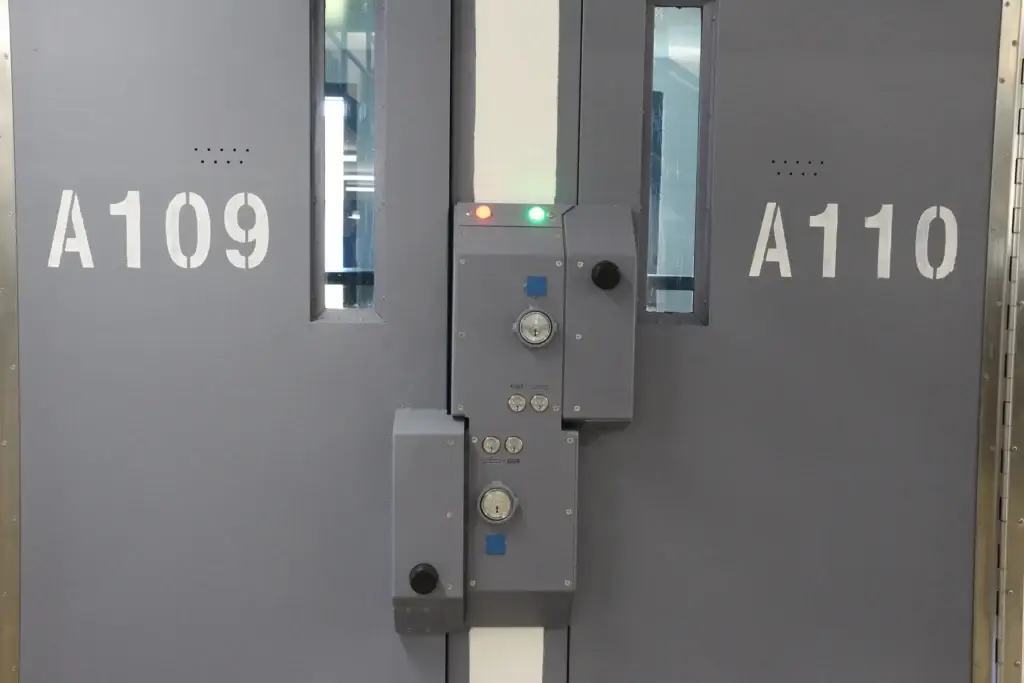
Upgrade existing swinging-door locks to the tamper-resistant Wedge, with LatchGuard available on SurfaceMax.
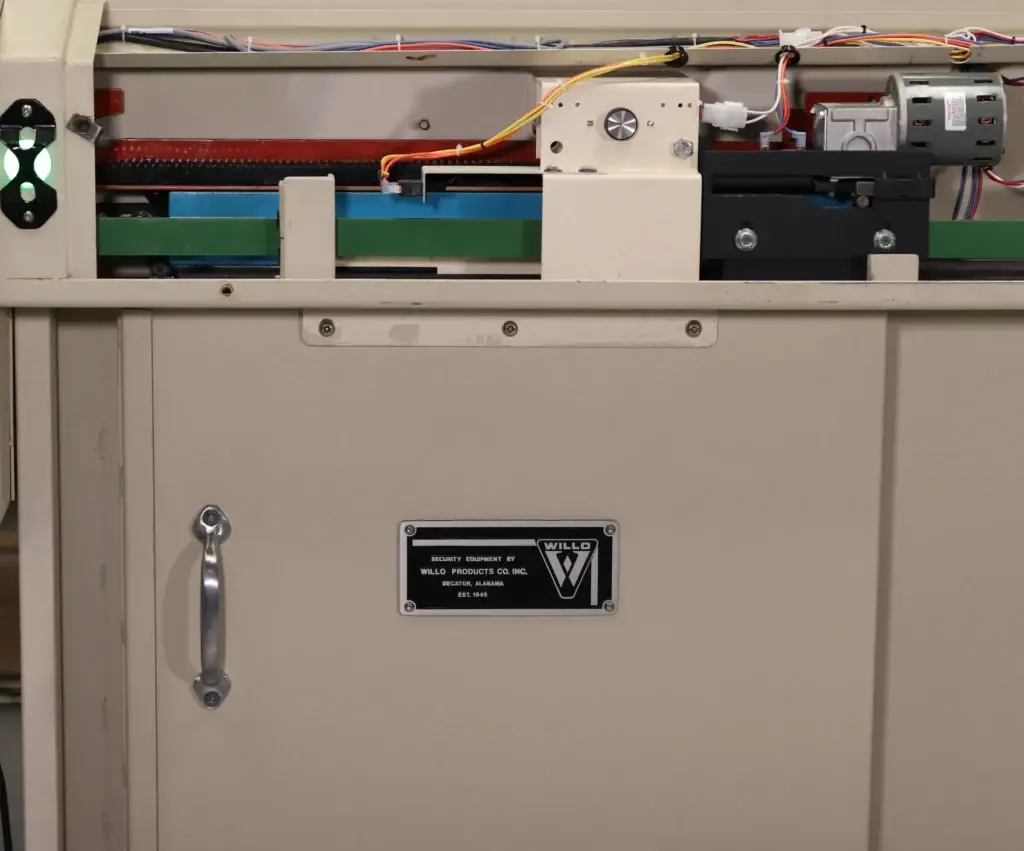
Evaluate, service, repair or upgrade the sliding locking devices already in your doors.
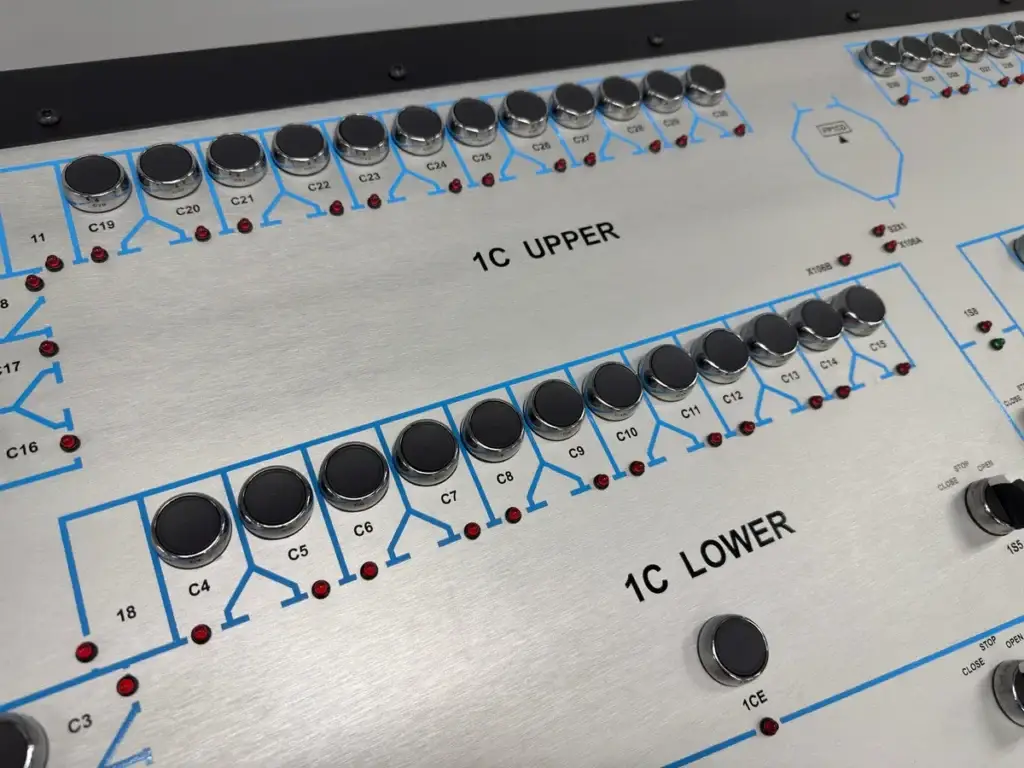
Troubleshoot faulty door-status indication, or replace older panels with hard-wired, relay-based controls.
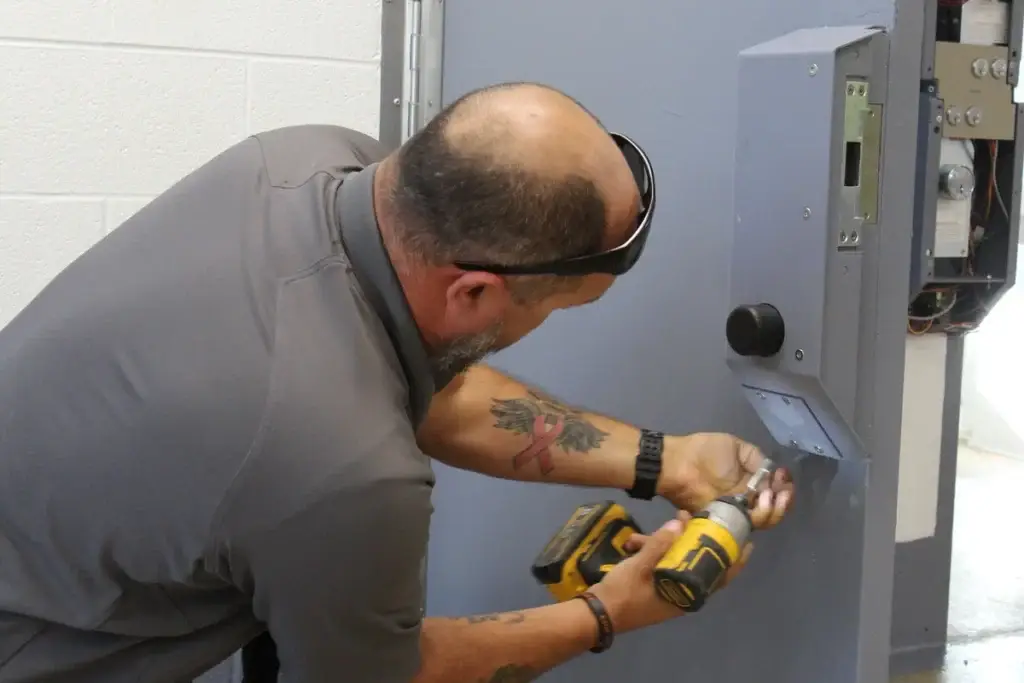
Annual service and preventive maintenance contracts keep locks and controls in working order.
How it works
01
Facility assessment
We review doors, locks and controls on site.
02
Engineered to your conditions
Each unit fits your door, frame and wall.
03
Installation
Existing doors and frames stay in place.
04
Train & maintain
Staff training and preventive maintenance.
“
When that door closes and that light turns green, I know nobody’s coming in my cell in the middle of the night.
Resident · as shared by a Project Manager, Department of Corrections
Every facility is different
Let's discuss the residence you operate or the facility you are planning. Willo can help you explore tamper-resistant locks, door-status indicators, and repair or maintenance support. We can talk through the doors staff use every day and the improvements your agency wants to make for residents and staff.