Detention Locking Systems & Controls · Since 1945
Detention Locking Systems & Controls · Since 1945
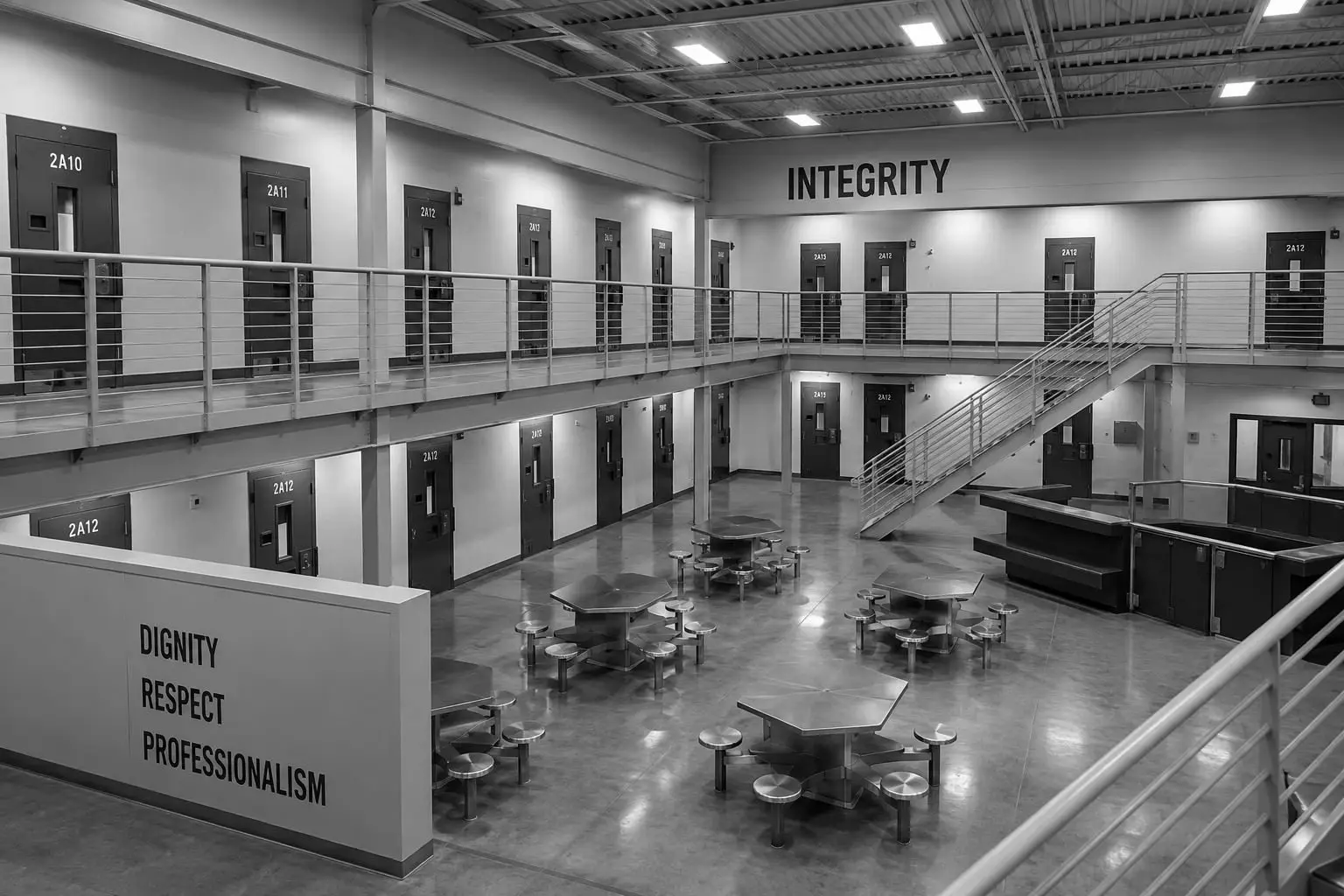
Applications · Facility type
Tell us about the doors your facility needs to repair, upgrade, or add. Willo can discuss locking systems, controls, and service options for your project.
Willo has supplied detention locking equipment since the 1970s, building on a manufacturing history that began in 1945.
Overview
Jail security depends on locking systems that help protect the people who live and work in your facility. For administrators, that means equipment that supports controlled movement through cells and corridors. For officers, it means doors that secure as intended and useful information about their status. For maintenance teams, it means equipment they can understand and support over time.
Willo helps county and metropolitan jails and state prisons address those needs through swinging door locks, sliding locking devices, controls, and service support. We work with facilities facing recurring equipment problems as well as teams planning renovations, expansions, and new construction. We consider how officers will operate each door, what information they need from the controls, and how maintenance staff will service the equipment.
The challenges
Residents get out of their cells at unexpected times.
Debris packed into the receiver keeps the door from deadbolting when closed.
Faulty control-room lights leave officers unsure which doors are secure.
Devices need constant maintenance and are sometimes compromised by residents.
Slamming a door against a deadlocked latch bolt damages the lock.
Putting off lock upgrades raises the risk of incidents, emergency repairs and liability.
In jails and prisons, reliable door operation helps officers manage access and maintenance personnel keep equipment in service. A lock that needs repeated adjustment or an unreliable door-status indicator can interrupt daily routines and require ongoing staff attention.
Cells, housing-unit entrances and corridor doors serve different purposes. Equipment selection needs to account for the condition of each opening, how staff use it and the status information officers need. Willo considers those needs when recommending swinging locks, sliding locking devices and controls, including how officers will check door status and how maintenance staff will reach the components.
At a cell, secure closure and controlled access help protect staff and residents. At housing-unit entrances and corridor doors, dependable operation supports controlled movement between areas. In every location, the lock, door, frame and controls need to work together. Maintenance personnel also need access to the parts they adjust, repair and replace to keep those doors operating.
The Willo Wedge swinging door lock family uses several patented innovations, including a double offset design and Gripper, to restrict access to locking components and resist common manipulation methods. These features protect the components that hold a swinging detention door secure. They address tampering that can prevent a door from locking as intended and interfere with officers' control of access to the cell.
The Wedge provides visual and audible tamper alerts at the door. Its flashing red LED alerts officers to a tampering condition, while local status indication provides information about the door's security status. These signals help officers recognize when a lock needs attention as they carry out door checks and manage access to residents' cells.
The Wedge SurfaceMax provides a surface-mounted retrofit option for existing facilities. The semi-recessed Wedge Slim is designed for new construction. Willo can discuss which model suits the project by looking at the existing or proposed door and frame, the way the lock will be mounted, and the controls that will operate it.
Sliding cell and corridor doors support movement through areas where staff need dependable operation and a clear understanding of whether an opening is secure. Door travel, alignment, and engagement of the locking components all matter. A door that appears closed still needs its locking mechanism fully engaged.
Our sliding locking devices include equipment for new installations and retrofit work. E1 and E2 devices use four-point locking with a deadlocked lock bar. An optional red/green LED provides local status indication on equipped devices. Green means the door has completed its closing travel and the drop bar is fully engaged; red indicates that the door is not secure.
The LED displays status based on door position and drop-bar engagement. Officers get a status signal at the door that accounts for both conditions when checking whether the sliding door is secure.
Aging facilities rarely have identical needs at every door. One area may have recurring failures, another may have equipment with parts that are difficult to find, and another may still be operating well. Repairing a failing lock, replacing unsupported hardware, and maintaining working equipment call for different work, even within the same housing unit.
Willo supports renovation and retrofit projects by examining existing equipment and discussing repair and replacement options. Some doors may need a targeted repair. Others may need new locking devices or a closer review of the door, frame, and controls. Existing components may be retained when their condition and compatibility with the proposed equipment allow it.
Facility leadership needs to understand what an investment will address: repeated repair visits, parts that are hard to find, or doors that do not operate reliably. The work also has to fit an occupied facility. Access to housing areas may be limited, and taking doors out of service affects how staff manage movement while repairs or upgrades are underway.
In a new facility, the project team can plan locks and controls around how staff will manage access to cells, housing areas, and corridors. An expansion also has to account for the doors and controls already in use. The team needs to consider where new equipment will connect to existing systems and how officers will operate the added area.
Our new construction approach includes the Wedge Slim for new swinging openings, sliding devices for cells and corridors, and controls for the officers' operating positions. Product information helps architects, engineers, and owners review how each device operates, what its status indicators show, and how maintenance staff can access it for service.
The surrounding detention equipment matters as well. Willo's offerings include hollow-metal doors and frames, security hardware, mesh, and grating. Reviewing these items with the locks and controls helps the project team see which components must fit together and where mounting, operation, and service access need to be coordinated.
Equipment choices continue to matter after installation. Officers use the doors and controls through daily movement, while maintenance personnel handle adjustments, repairs, and component replacement. Maintenance access, product documentation, and replacement parts are practical needs that continue throughout the equipment's time in service.
Our hardwired door controls use relay-based systems with physical switches and graphic panels. Willo also offers locking system repair and maintenance support for existing equipment. Repairs address problems with doors and locking devices. Ongoing maintenance helps facilities keep up with the adjustments and upkeep those devices need during daily use.
A project may begin with an immediate failure, a recurring problem, or a planned upgrade. Willo can discuss new equipment, replacement parts, repairs, and maintenance for the products already in use. The condition of the installed equipment and the improvements the facility needs help determine which products and services are appropriate.
Solutions
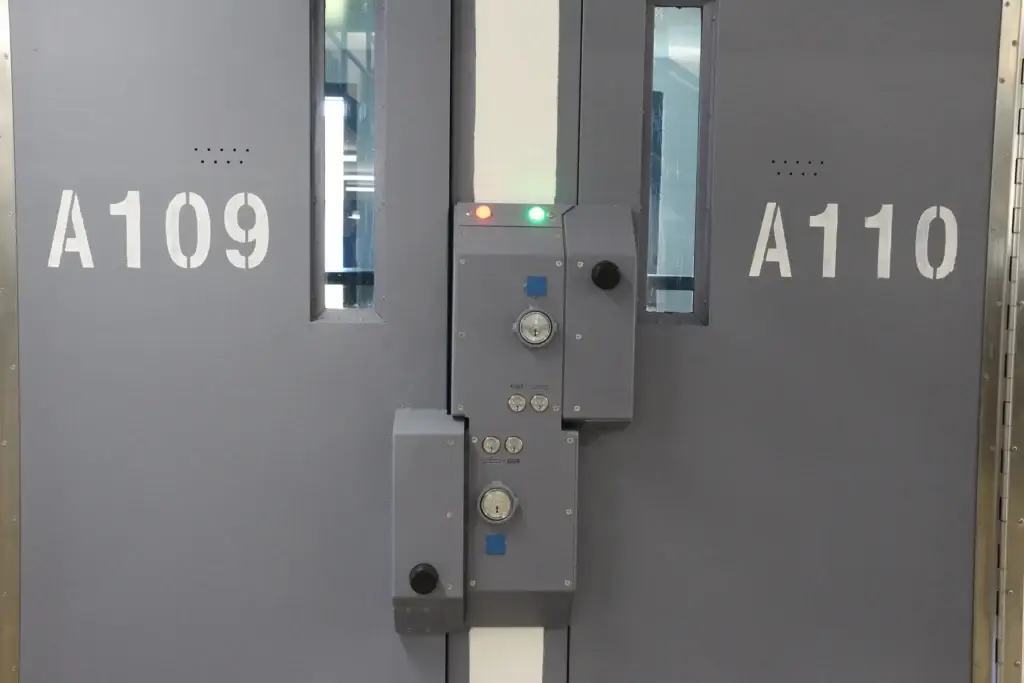
Upgrade existing swinging-door locks to the tamper-resistant Wedge, with LatchGuard available on SurfaceMax.
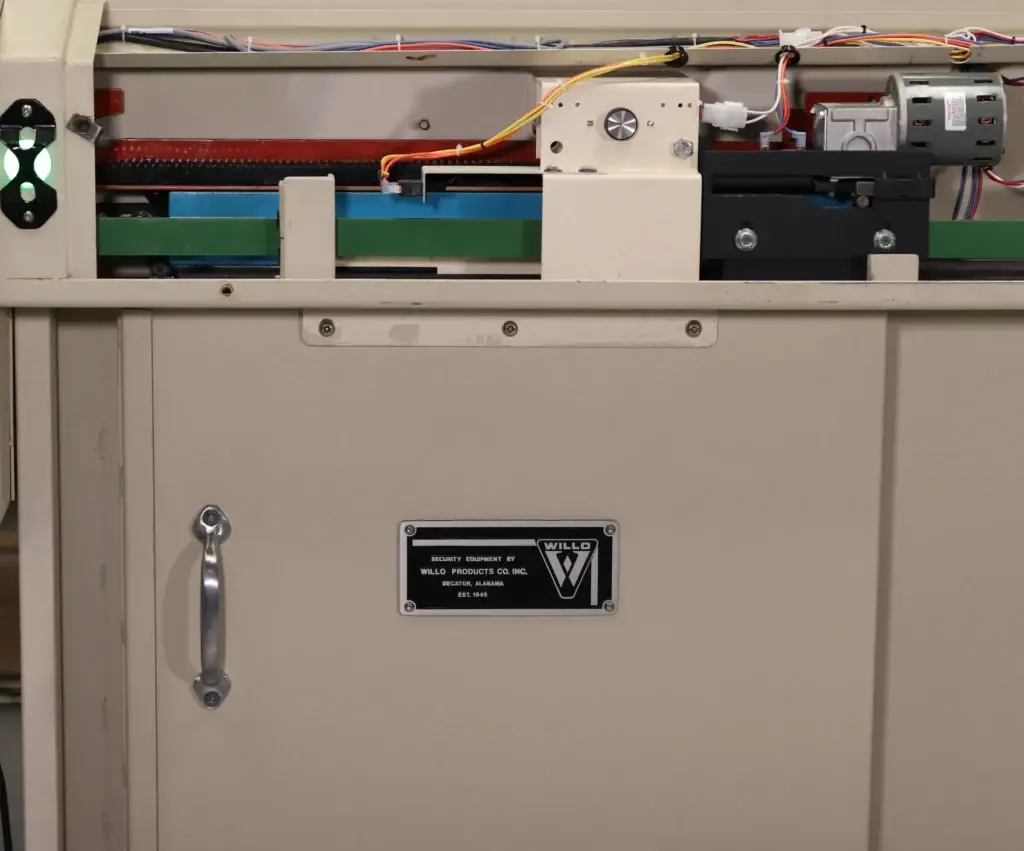
Evaluate, service, repair or upgrade the sliding locking devices already in your doors.
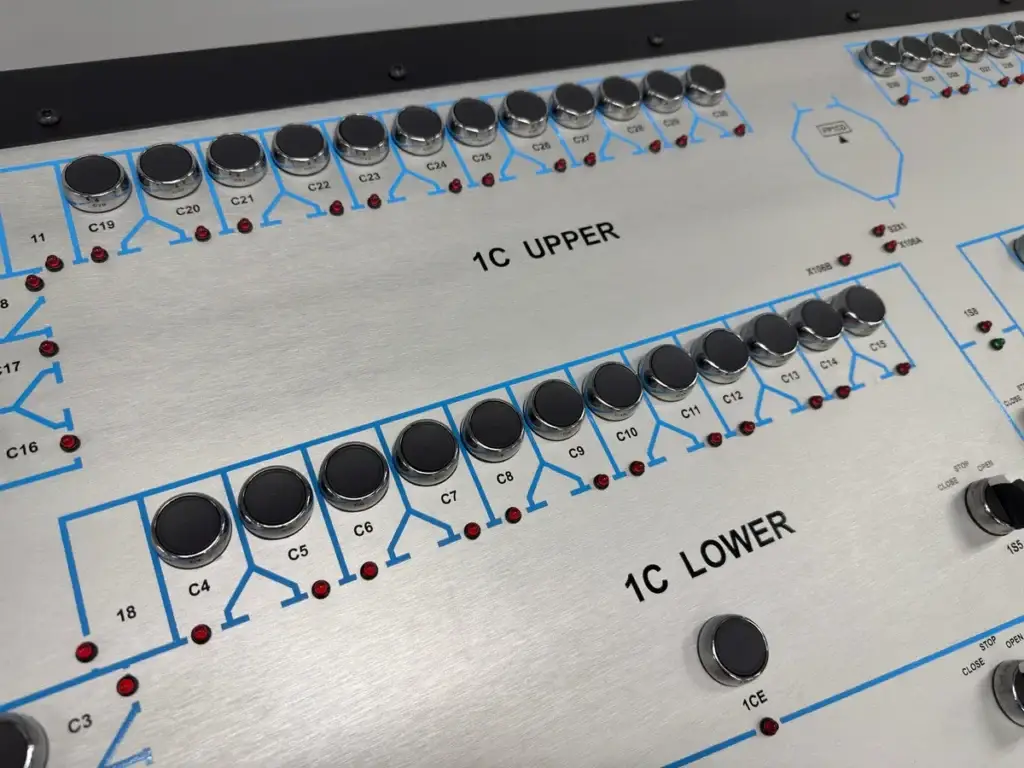
Troubleshoot faulty door-status indication, or replace older panels with hard-wired, relay-based controls.
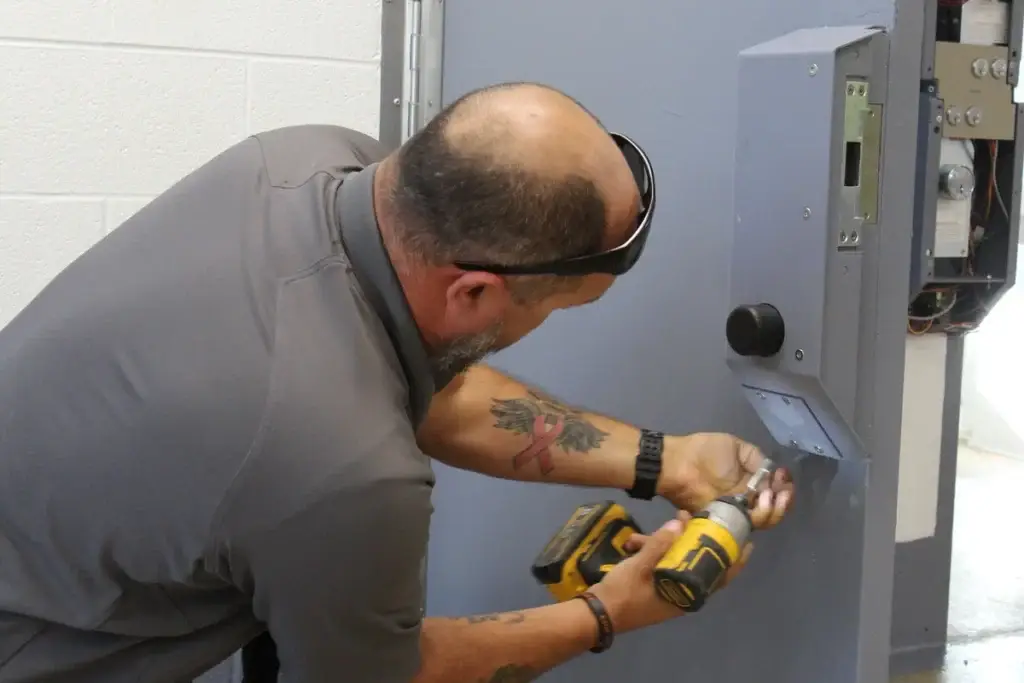
Annual service and preventive maintenance contracts keep locks and controls in working order.
How it works
01
Facility assessment
We review doors, locks and controls on site.
02
Engineered to your conditions
Each unit fits your door, frame and wall.
03
Installation
Existing doors and frames stay in place.
04
Train & maintain
Staff training and preventive maintenance.
“
When [staff] put that offender behind the door and close it, they feel safe. They know that person’s gonna stay there.
Commissioner · Department of Corrections
Every facility is different
Let's discuss the doors your jail or prison needs to repair, upgrade, or add. Willo can help your team explore locking systems, controls, and service options, with attention to secure access, clear door-status information, and equipment your maintenance staff can support over time.