Detention Locking Systems & Controls · Since 1945
Detention Locking Systems & Controls · Since 1945
Applications
Improve door and lock security in your existing facility or make tamper-resistant performance a priority in your next one. Talk with Willo about your application.
Willo equipment is used in more than 1,500 detention facilities in the United States, Puerto Rico, and other countries.
Overview
In high-security environments, door and lock performance is fundamental to safety and security. County jails, state prisons, other detention facilities, justice applications, juvenile justice facilities, and secure mental health settings all depend on controlled boundaries. Those boundaries need to resist tampering, operate reliably, and support staff in managing movement. Willo helps institutions address these demands through detention locking systems, security electronics, and service support, whether strengthening an existing facility or planning a secure new one.
Facility types
From county jails to federal and immigration detention and critical infrastructure.
Facility type
County, city, state and federal facilities.
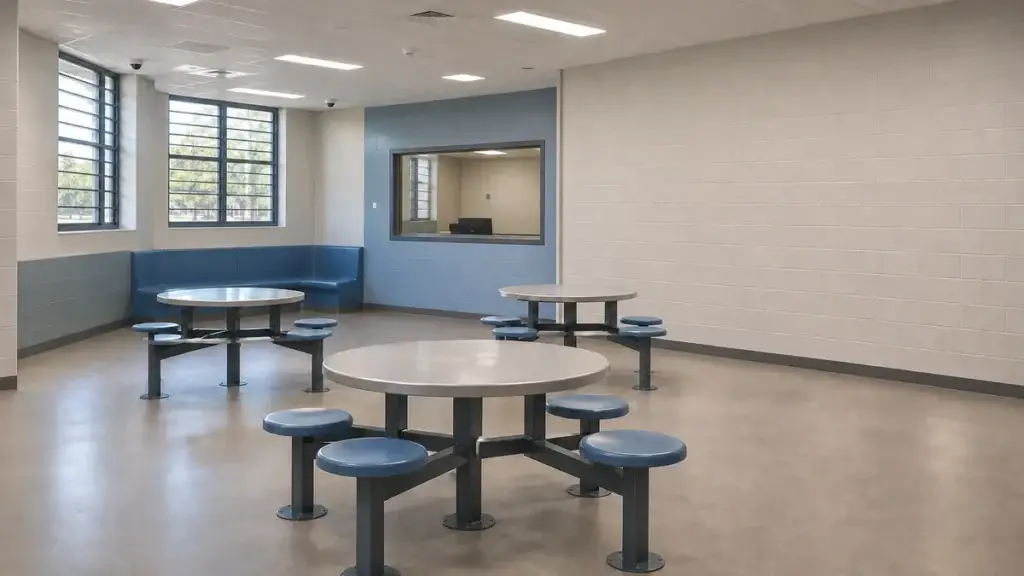
Facility type
Youth detention and residential facilities.
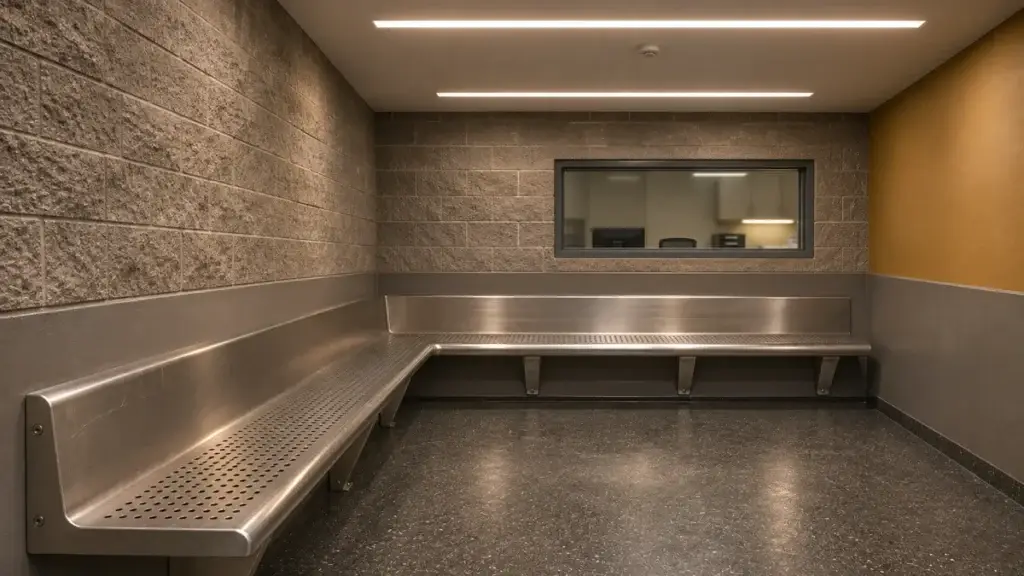
Facility type
Courthouses, holding, mental and behavioral health, and federal and immigration detention.
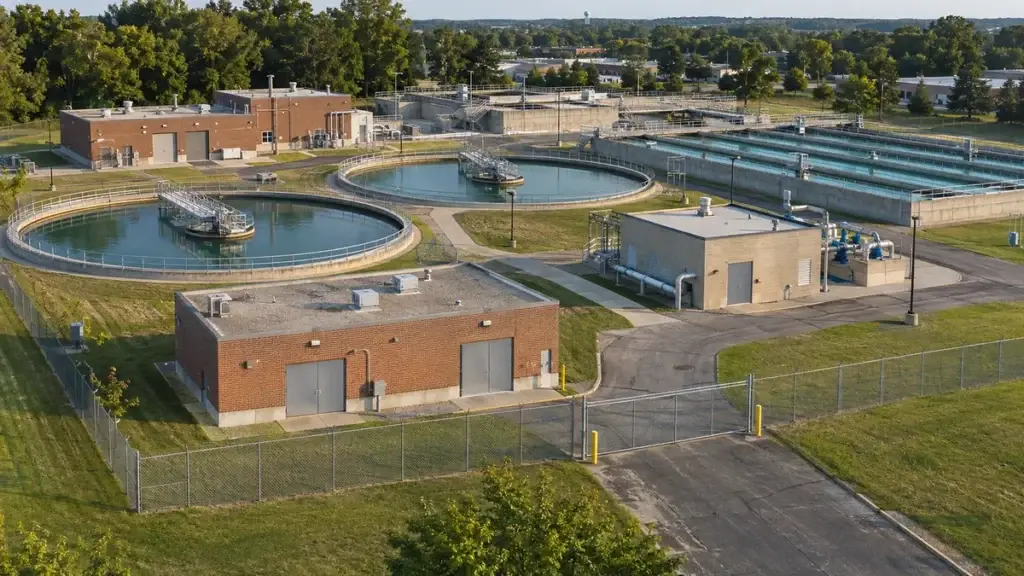
Critical infrastructure
Protect water, power and other critical assets.
Project types
The right path depends on where your project starts.
Door and lock performance
Security demands more than a door that closes. Institutions need locking systems designed to resist deliberate interference and perform through repeated daily use. A compromised locking mechanism, inconsistent operation, or misleading status indication can undermine the boundary staff depend on.
The entire opening matters: the door, frame, locking device, exposed components, and associated controls. Evaluating them together helps distinguish a maintenance issue from a vulnerability that requires a different design approach. Tamper resistance should be part of that evaluation, not a consideration reserved for after an incident.
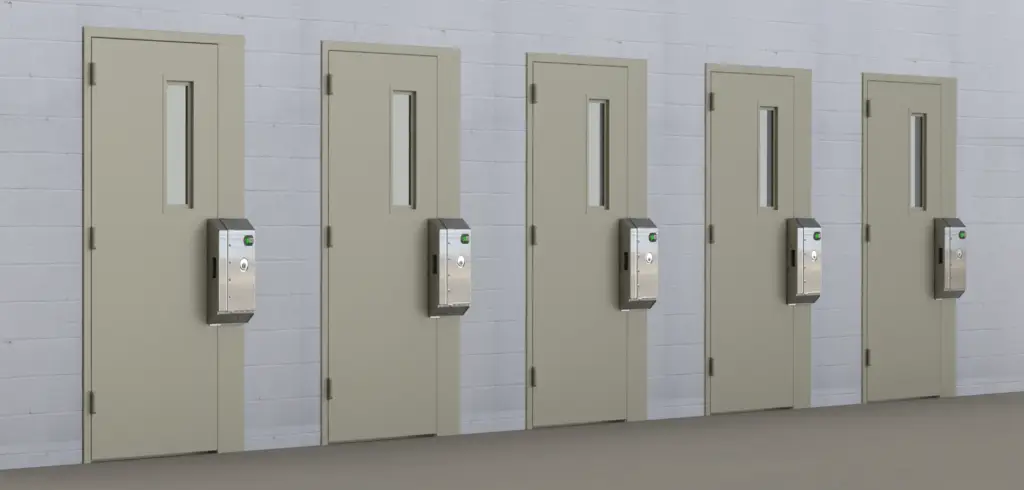
Willo provides swinging door locking systems, sliding door devices, security electronics, and service support. We help owners connect those capabilities to the demands of each application, with security, reliable operation, and maintainability considered together.
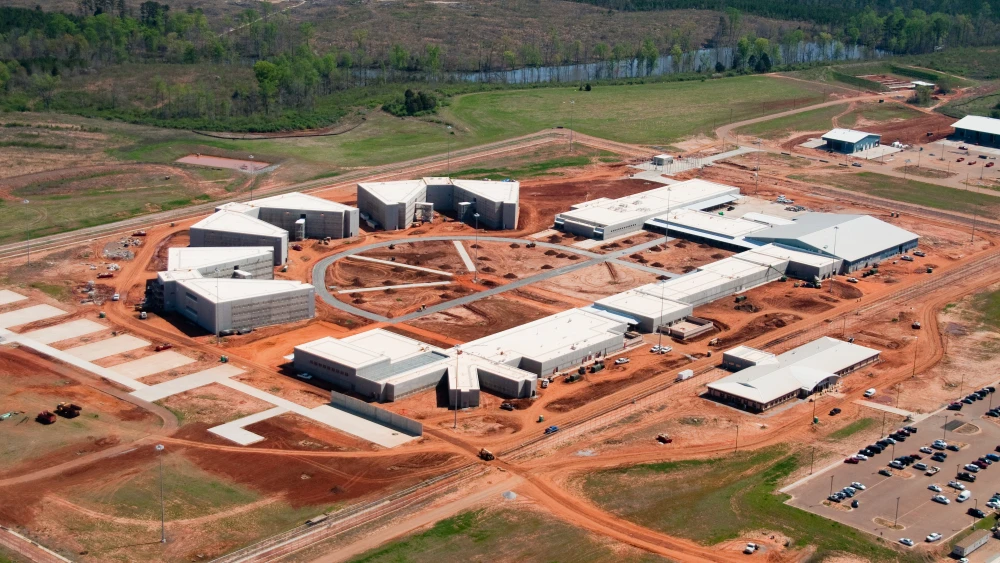
Jails & prisons
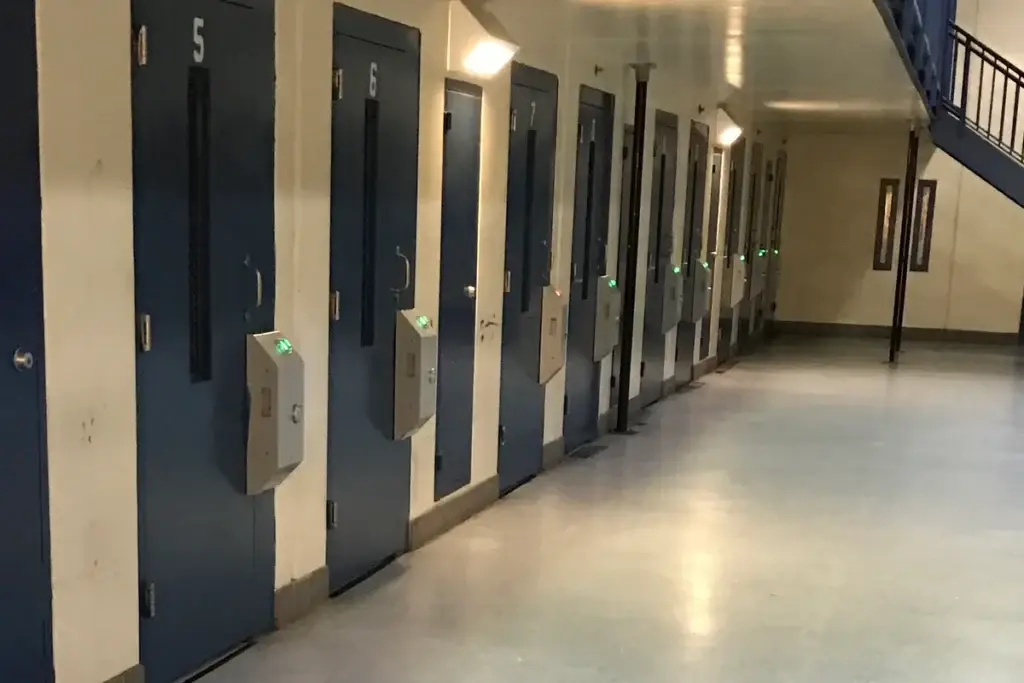
County jails and state prisons depend on controlled movement through cells, housing units, corridors, and other restricted areas. Door and lock systems must meet the demands of frequent use while addressing the risk of deliberate tampering. Recurring adjustments, unreliable locking, and inconsistent status information deserve attention as security concerns, not simply maintenance inconveniences.
Door and lock performance affects how officers manage movement, how maintenance teams prioritize work, and how owners plan upgrades. Willo helps facilities evaluate tamper-resistant locking and dependable operation in the context of their existing equipment or a planned new installation.
Juvenile justice
Juvenile justice facilities need secure boundaries that support supervision, controlled movement, and the facility's rehabilitative mission. Tamper-resistant door and lock design remains important even when the environment has different operating goals from an adult correctional facility.
The approach should reflect how staff supervise residents and manage access to housing, education, recreation, and support spaces. Willo helps project teams consider these operating needs alongside locking-system security and maintainability, rather than treating every opening as the same application.
Mental & behavioral health
In secure mental and behavioral health settings, door security must support the care environment as well as the need to manage access. Where controlled boundaries are required, tamper-resistant locking and dependable staff operation deserve early attention.
Equipment selection should reflect the purpose of each space and the needs of residents, clinical staff, and facilities personnel. Willo can help evaluate relevant door and lock options as part of that review. Security, life safety, and any ligature-resistance requirements must be addressed for the specific application.
Other detention
Courthouse holding areas, temporary detention spaces, and other detention applications bring secure operations into facilities with varied uses. Controlled doors may separate holding areas from staff spaces, circulation routes, or public-facing functions.
These boundaries need protection against tampering and operation consistent with custody procedures. Willo helps owners consider how doors, locks, and controls support that purpose, whether the project involves a dedicated detention facility or a limited number of high-security openings within a larger institution.
Renovation & retrofit
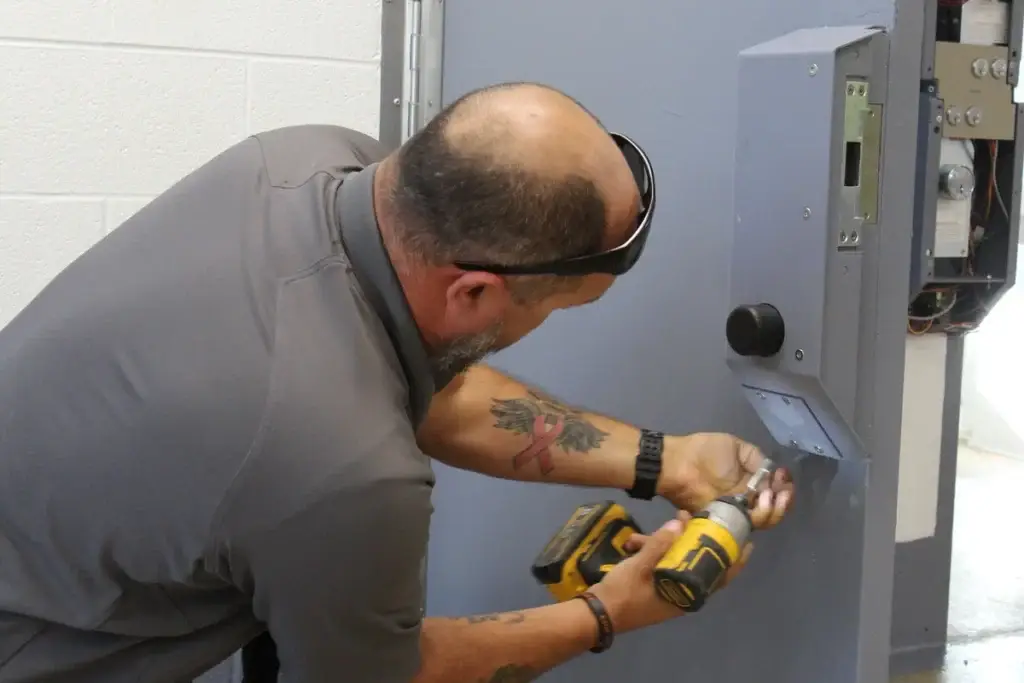
An existing facility may need more than another repair to address recurring tampering concerns, aging equipment, or unreliable operation. Renovation and retrofit projects provide an opportunity to reassess the security of the opening and determine where a targeted upgrade can improve performance.
Start with the condition of doors, frames, locking mechanisms, and controls. A facility assessment can help identify issues and distinguish components that may remain in service from those requiring repair or replacement. Compatibility and field conditions determine the options.
Willo helps owners evaluate those paths with the existing facility in mind. The goal is to address the underlying security and operating need, rather than repeatedly replacing a worn part without examining why the problem returns.
New construction
New construction gives owners the opportunity to make door and lock performance a design priority from the beginning. Tamper-resistant locking should be considered alongside the building layout, movement plan, and intended role of each secure opening.
Early coordination among the owner, architects, engineers, and detention equipment team helps align doors, frames, hardware, controls, and specifications. It also creates an opportunity to consider maintenance access and long-term support before equipment selections become fixed.
Willo brings detention locking experience to these discussions. A highly secure facility begins with clearly defined performance needs and coordinated equipment choices, rather than leaving door and lock vulnerabilities to be addressed after occupancy.
Service & support
Security expectations do not end at installation. Inspection, maintenance, and timely locking system repair help facilities address wear, damage, and changes in operation. Continuing to evaluate door and lock condition is part of sustaining dependable secure boundaries.
Willo's product and service capabilities connect initial equipment decisions with day-to-day performance and future improvements. Across these applications, the objective remains the same: doors and locks that resist tampering, operate reliably, and support the people responsible for maintaining a secure environment.
Case studies
How facilities solved compromised locks and failing doors with Willo.
Read case studies →
Architects & specifiers
Data sheets, guide specs and CAD details for your project.
Get spec support →
Service & parts
Preventive maintenance, repair, training and replacement parts.
Explore service & parts →
Not sure where to start?
Strengthen door and lock performance where your facility needs it most. Talk with Willo about a retrofit, renovation, or new construction project focused on tamper-resistant security and dependable operation.