Detention Locking Systems & Controls · Since 1945
Detention Locking Systems & Controls · Since 1945
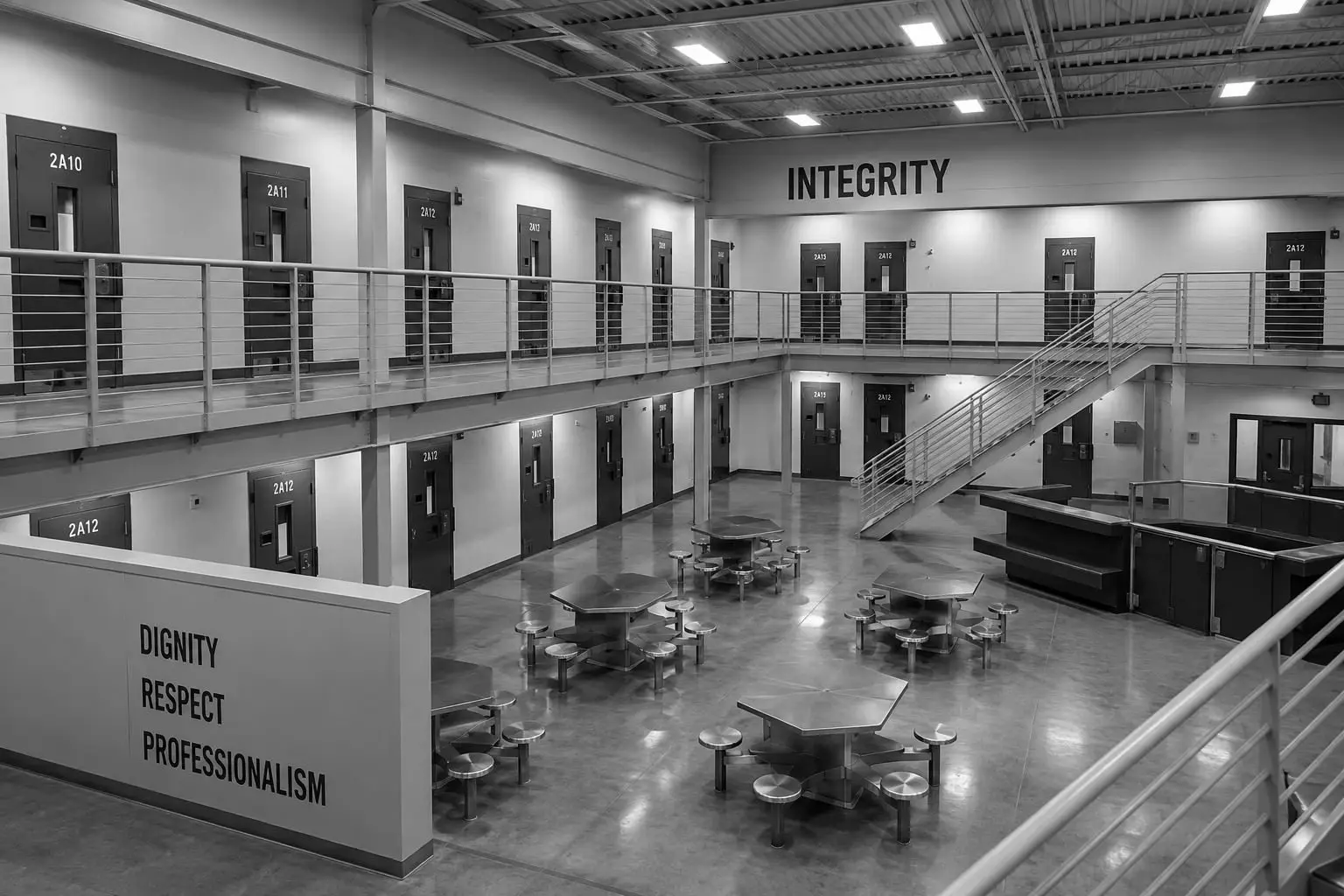
Applications · Facility type
Describe your facility type and the openings you need to secure, repair, or update.
Willo has manufactured equipment for detention environments since the 1970s.
Overview
Detention center equipment needs to reflect the purpose of the space it protects. Courthouse holding areas, behavioral health settings, and federal detention facilities bring different requirements to the selection and operation of doors and locks. Willo brings experience with detention locking equipment, controls, and service to those discussions. Tell us how your facility operates so we can evaluate the openings and the equipment relevant to your project.
A courthouse may include public spaces, staff work areas, and secure holding functions within the same building. Door security planning should establish which openings serve custody operations and how people move between those areas. The function of a holding room door can differ substantially from that of an ordinary office door nearby.
Bring the people responsible for custody operations into the equipment discussion. Explain who authorizes movement, where door commands originate, and which openings must be considered together. Your project team can then evaluate the relationship between physical locking equipment, controls, and the building's required operating procedures. Willo can discuss its detention product families in that project context.
Security in a mental or behavioral health setting must be evaluated alongside the intended use of the space and the needs of its residents and staff. A product's detention application does not, by itself, establish that it is appropriate for a treatment environment. The review needs to address the specific opening, supervision practices, and project requirements.
Include your clinical, facilities, and design representatives when describing the application. Identify the security functions you need and the requirements the equipment must satisfy. Willo can discuss door and locking options as part of that review. Any requirement for ligature resistance, specialized clinical suitability, or a particular rating requires explicit product evidence and project evaluation.
Start by distinguishing swinging openings from sliding openings. Our Wedge swinging door locks and sliding door devices address different equipment arrangements. The choice within a product family depends on the intended operation and the physical conditions at the opening.
For existing facilities, identify the current manufacturer and model where possible. Explain whether the concern is repeated wear, difficult operation, suspected tampering, or a change in how the space is used. That information helps determine what to inspect and which alternatives deserve closer consideration. Replacing one component without reviewing the surrounding installation can leave other important questions unanswered.
The relationship between a door and its controls matters to the people supervising it. A project should establish who can command the opening and what information the operator receives about its condition. The controls discussion should also account for the proposed arrangement of communication equipment and other systems at the control point.
Review hardwired door controls with the team responsible for operating and maintaining them. Where communication is part of the project, include the intercom systems section in that discussion. The final system arrangement needs engineering coordination around the facility's requirements and the selected equipment.
An occupied justice facility often needs to address equipment problems while maintaining its established operating procedures. Tell us which areas are affected, what access constraints apply, and whether work must be coordinated with other projects. These details belong in the scope discussion early, before installation assumptions become commitments.
When system condition is unclear, a facility assessment can help document equipment concerns and identify priorities. If the immediate need is a malfunctioning door or control component, discuss repair service. A larger renovation or retrofit may be appropriate when the condition or function of the existing equipment calls for a broader change.
A useful first description includes the facility type, the purpose of the affected space, and the number or general type of openings involved. Add equipment identification and the project stage if you know them. For a new design, explain which decisions are still open. For an existing installation, describe what staff observe during normal use.
You can begin with those facts even when the final equipment scope is undecided. Willo can discuss the relevant options and the information needed for a more detailed review. Keep sensitive facility security information within the communication arrangements established by your organization, and use the initial inquiry to identify the right people for that discussion.
Solutions
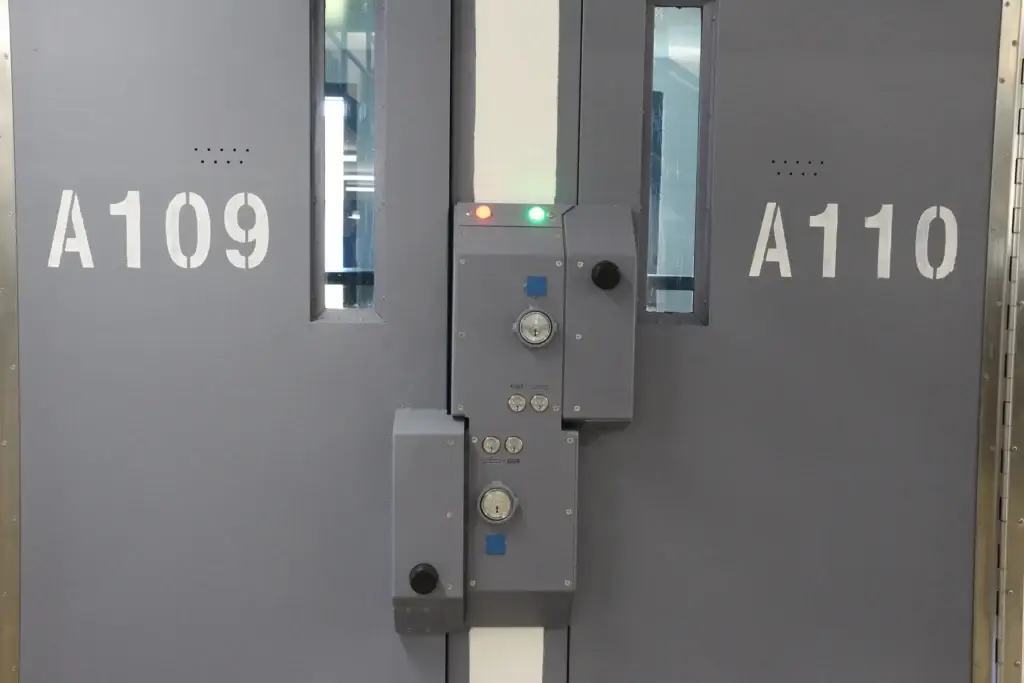
Upgrade existing swinging-door locks to the tamper-resistant Wedge, with LatchGuard available on SurfaceMax.
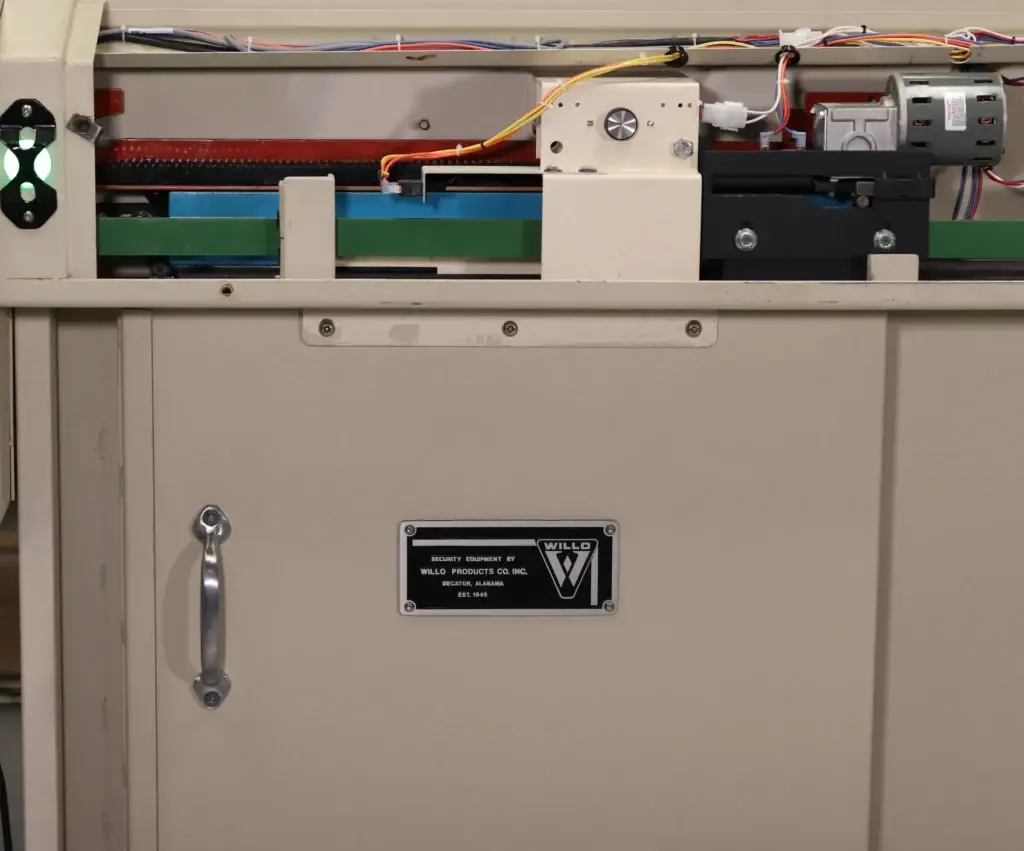
Evaluate, service, repair or upgrade the sliding locking devices already in your doors.
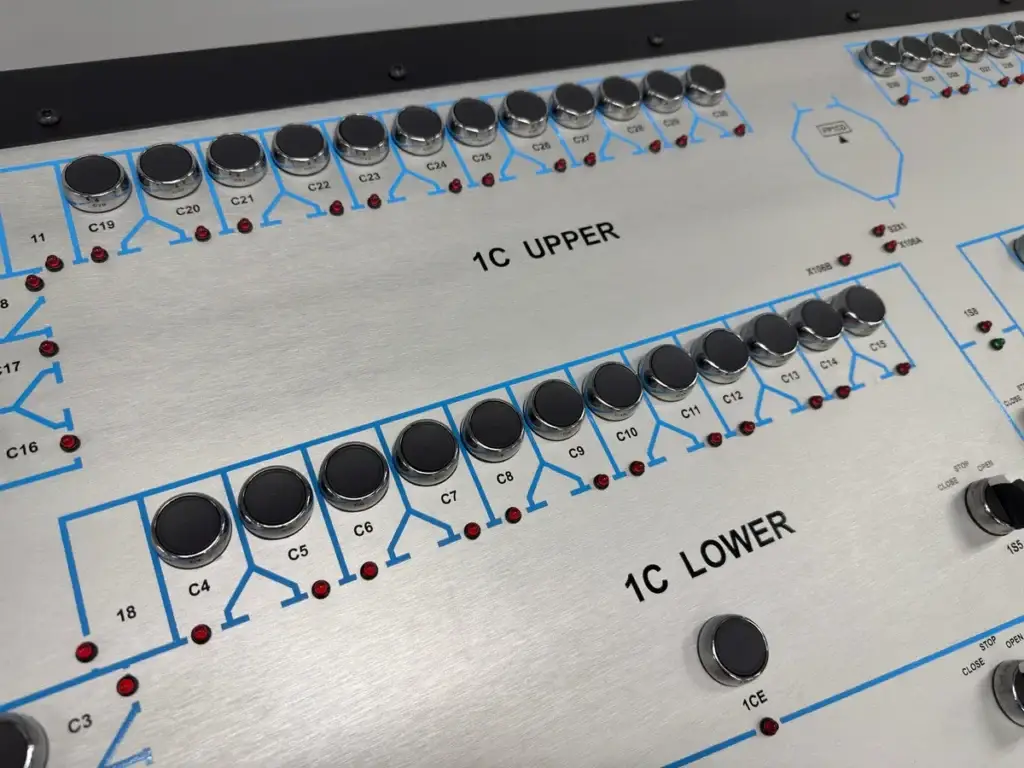
Troubleshoot faulty door-status indication, or replace older panels with hard-wired, relay-based controls.
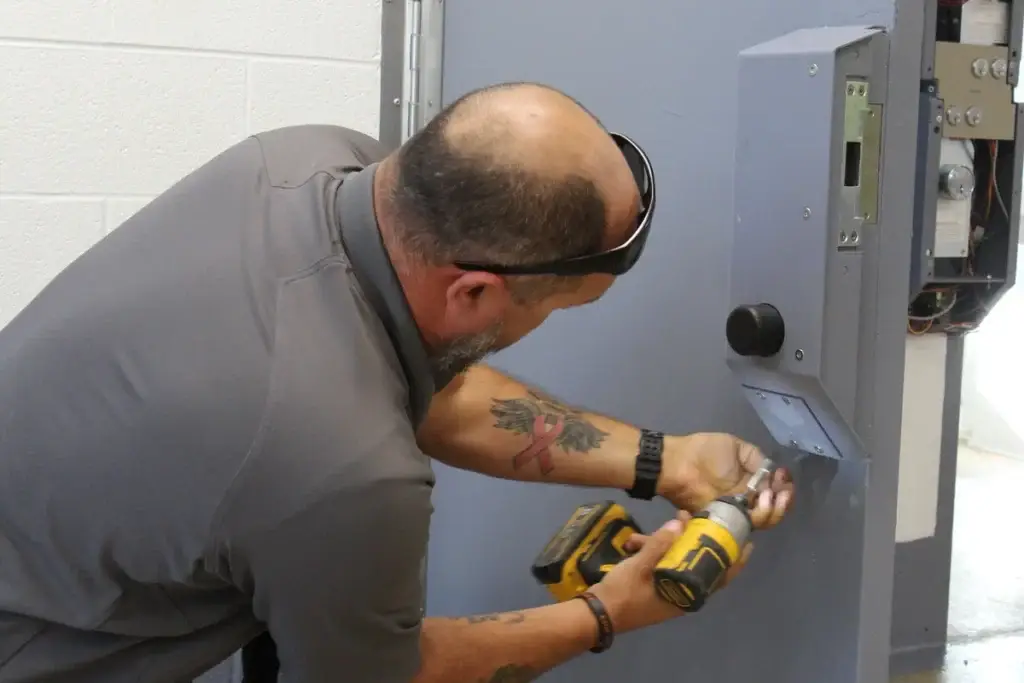
Annual service and preventive maintenance contracts keep locks and controls in working order.
Every facility is different
Start your project by telling us about the setting and the door security requirement. We can discuss the equipment and service options that warrant review for your facility.